Reflections on my SolarSPELL internship
By Wen Wendt, SolarSPELL quantitative data analysis intern
I arrived in Rwanda late evening on June 30. Upon arrival, the SolarSPELL team and I got acquainted with our surroundings by visiting several local markets and tasting local foods. In the process, I learned about local food systems and sourcing in Kigali. While Kigali is an urban center and the country capital, agriculture is everywhere.
Fruit trees and other flowering plants were commonplace adjacent to even the busiest street intersections and commerce centers. Out of the city center, private agricultural plots were visible every which way. Overall, fresh food was in abundance. At our guesthouse, breakfast consisted of bananas, passion fruit, tree tomatoes, mangoes, pineapple, avocado, sorghum porridge, and other breakfast treats. Also, fresh fruit juice and smoothies were offered at every restaurant and coffee shop.
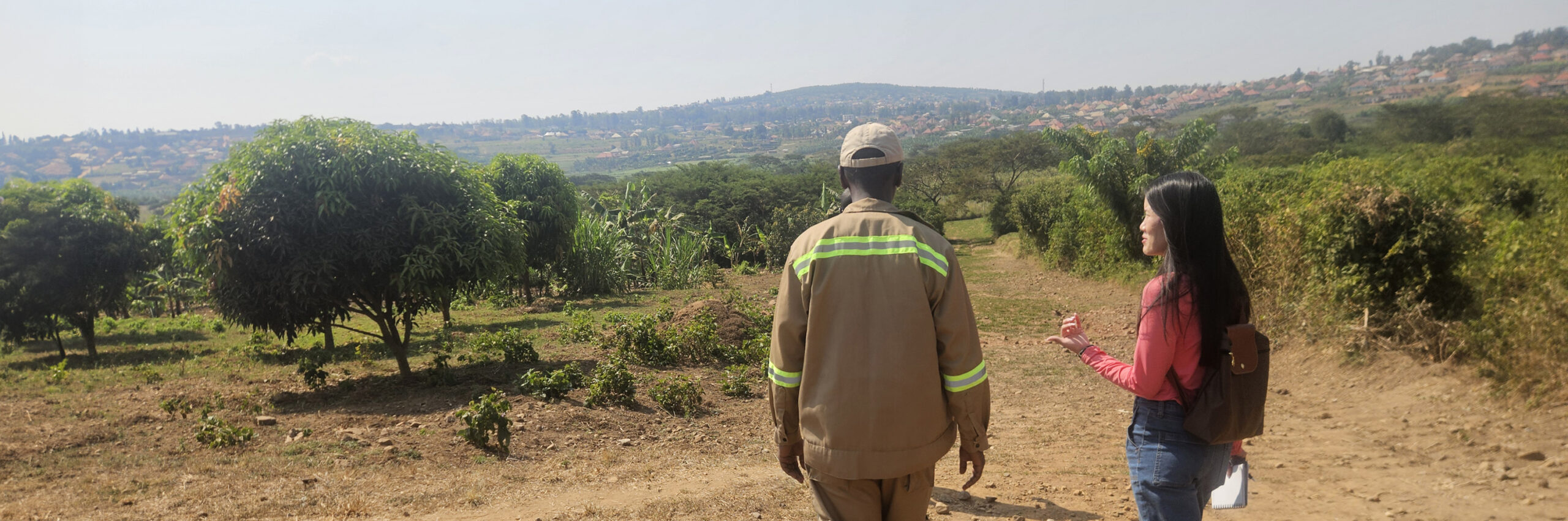
In the first week, our group visited Umusambi Village. Umusambi Village is a bird sanctuary, named after the Grey Crowned Crane. The drive there gave color to the “land of a thousand hills” nickname. Not only was the landscape hilly, but also on nearly every hill and valley were agricultural plots being tended to by farmers: rice paddies, vegetable gardens, maize, beans, coffee, potatoes, and some agroforestry and intercropped plots (mostly with bananas and plantains). I had visited farms in Phoenix and southern Arizona, which are classic American desert agriculture (dry climate, flat land, large monocultures). To see thriving diverse food systems in subsistence communities showed me how different global agriculture is. Later in the trip, for instance, we visited coffee farmers in the Gakenke district, and on the way to Musanze in the north, we saw sugarcane, a crop requiring a lot of water, being grown on sloped land.
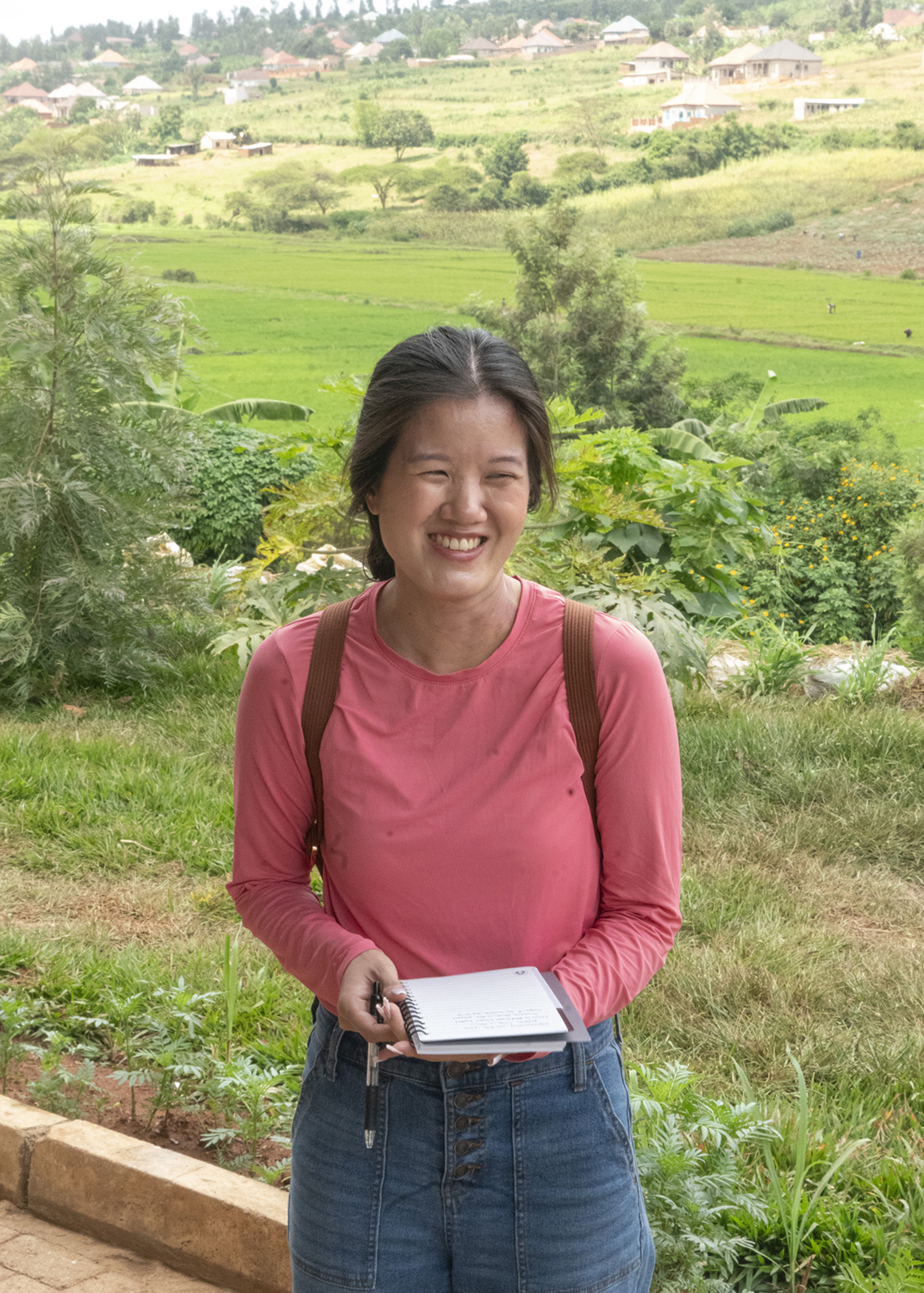
Photo by Ben / Solid’Africa
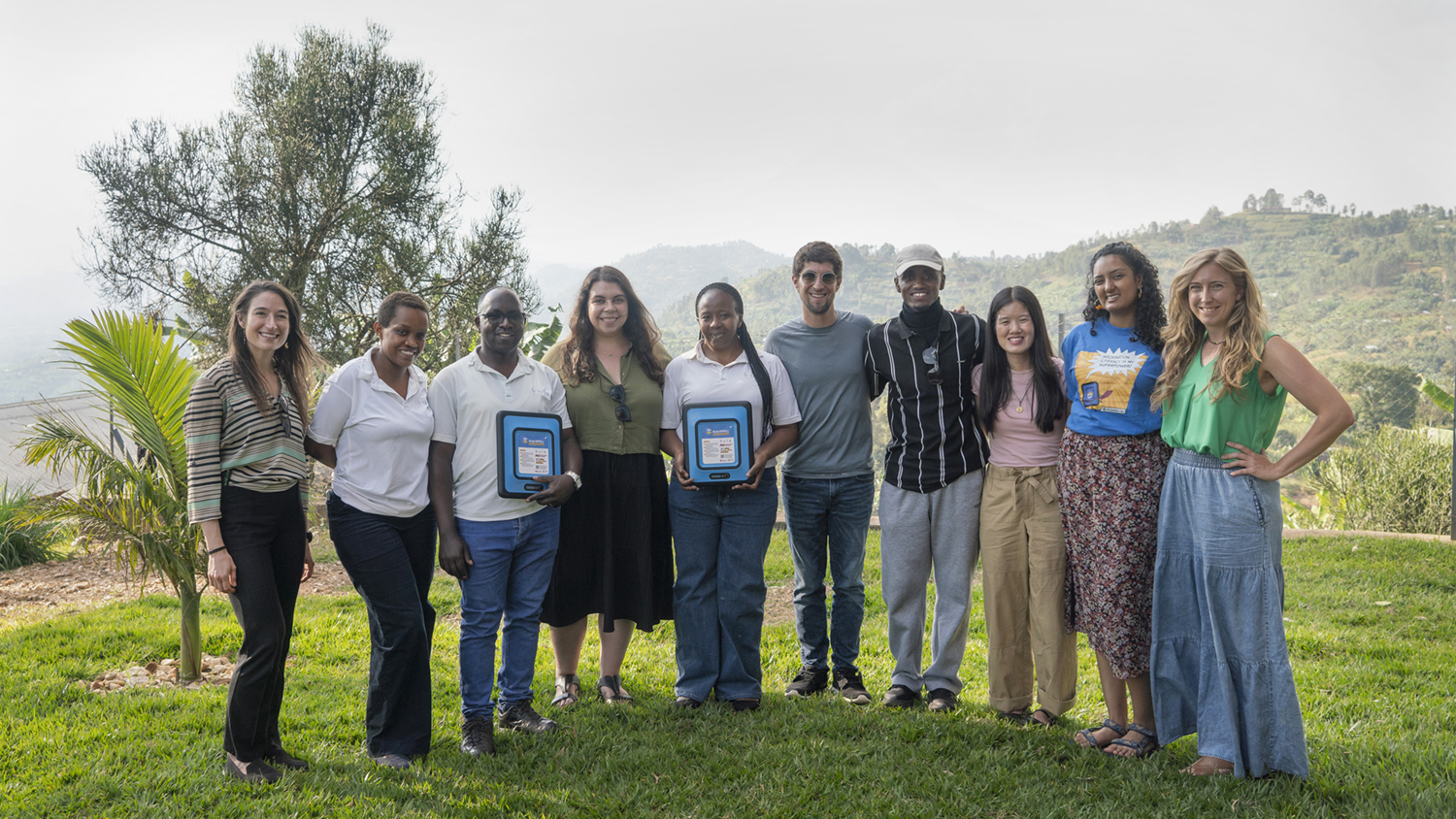
Image by Abby Johnson / ASU SolarSPELL Initiative
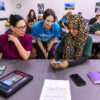
SolarSPELL’s first train-the-trainer training of the trip was at Kula Project, a nonprofit social entrepreneurship that equips female coffee producers with seedlings, information on conservation agriculture, and training on business entrepreneurship. Kula Project operates in three provinces. Three business coaches and agronomists, representing each province, attended the SolarSPELL training. During the two-day training, I learned that many Rwandans prefer tea to coffee, and that most Kula coffee is exported.
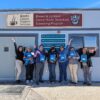
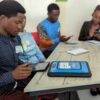
SolarSPELL also hosted a refresher training with Bridge 2Rwanda Farms. Bridge2Rwanda (B2R) deploys fellows across Rwanda, training farmers on Foundations for Farming principles and conservation agriculture. Across two days, 90 fellows were (re)trained on how to use the SolarSPELL, how to more easily access B2R Farms training materials, and how to apply conservation agriculture informational guides on smallholder farms. For Kula Project, the most exciting content was the coffee agronomy module. For B2R Farms, which I learned through interviews with B2R Farms Fellows, the most used content was from the e-Hinga module (named for the Kinyarwanda word for the farming season), an encyclopedia dedicated to popular Rwandan crops, with information in both English and Kinyarwanda.
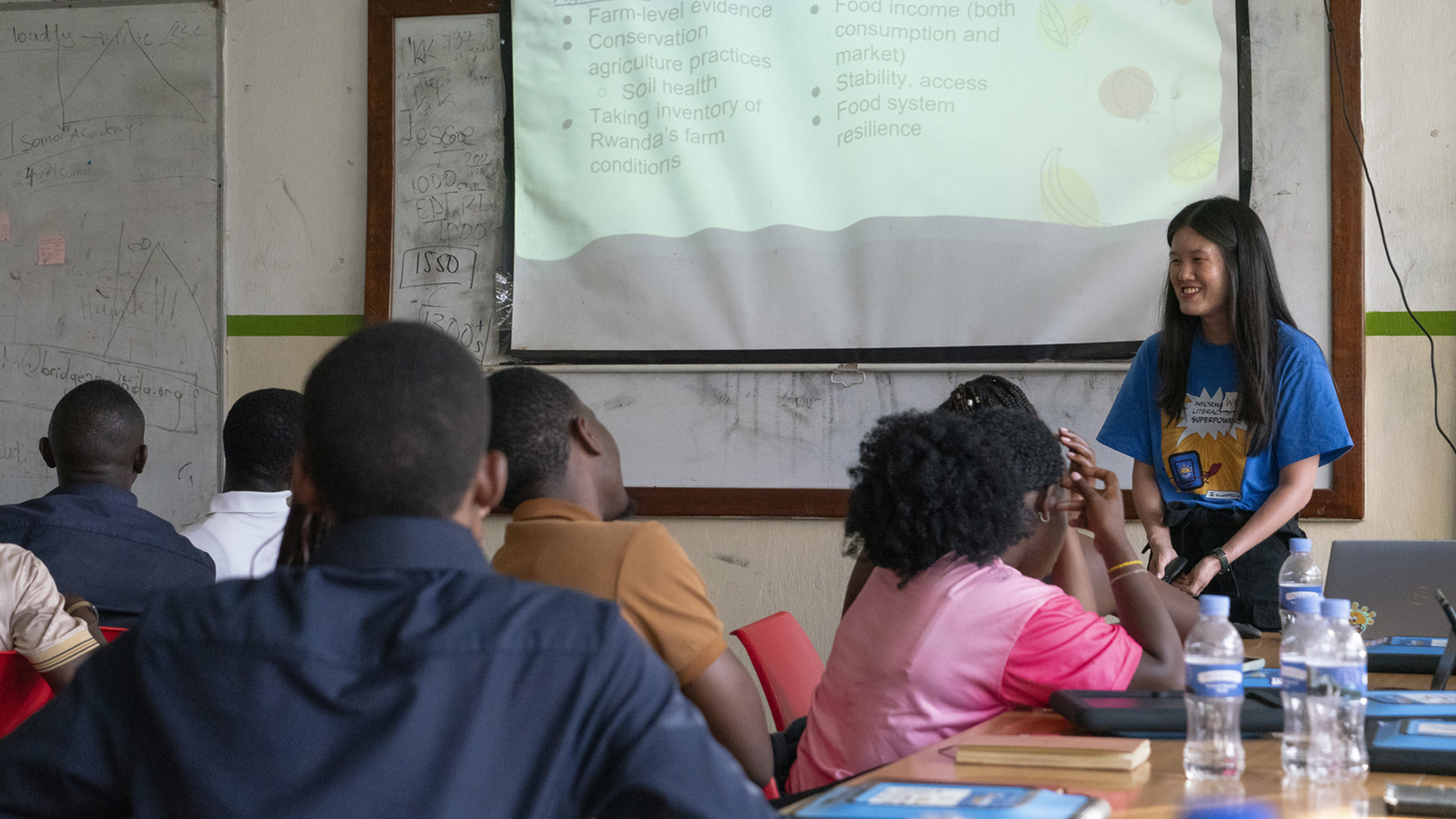
Photo by Abby Johnson / ASU SolarSPELL Initiative
SolarSPELL’s third train-the-trainer training took place at Sunzu Yacu Community Library. Prior to visiting, I had heard of the library, as it was memorable for being described as a library on the top of a hill. At Sunzu Yacu Community Library, I learned the library shares space with a preschool. During one of the SolarSPELL training breaks, I met the school chef, and he showed me the kitchen. The kitchen was modest: single entrance, two connected rooms, enough space for two tables holding an industrial sized pot and stacked bowls, and some other cooking supplies scattered about. He cooked what was grown in the school and library gardens. One of the B2R Fellows was at the library, by happenstance, the same time we were. The day prior, she had given me an on-the-spot tour of two nearby plots applying conservation agriculture: Irish potatoes and beans. The potato seeds are productive; one seed could yield 1.5-2 kg. The chef mostly cooked potatoes and beans.
I asked the head librarian what they did with all the food the gardens produced. He said all the food is eaten by the school children, staff and people at the library. I had asked this question before. After Solid’Africa showed us around their nine-hectare demonstration farm, I asked if any of the food went to nearby neighborhoods; they said no, because the local community feeds themselves off their own farms. When I asked the B2R Farms farm manager what they did with all the food from their 10.8-hectare demonstration farm, he shared that it fed the day workers, staff, and Fellows. The farms I know in Arizona primarily feed the people who can afford the food and choose to buy it. Specifically when I was at Sunzu Yacu Community Library, I was reminded that food systems and food system values are shaped by the communities they exist within.
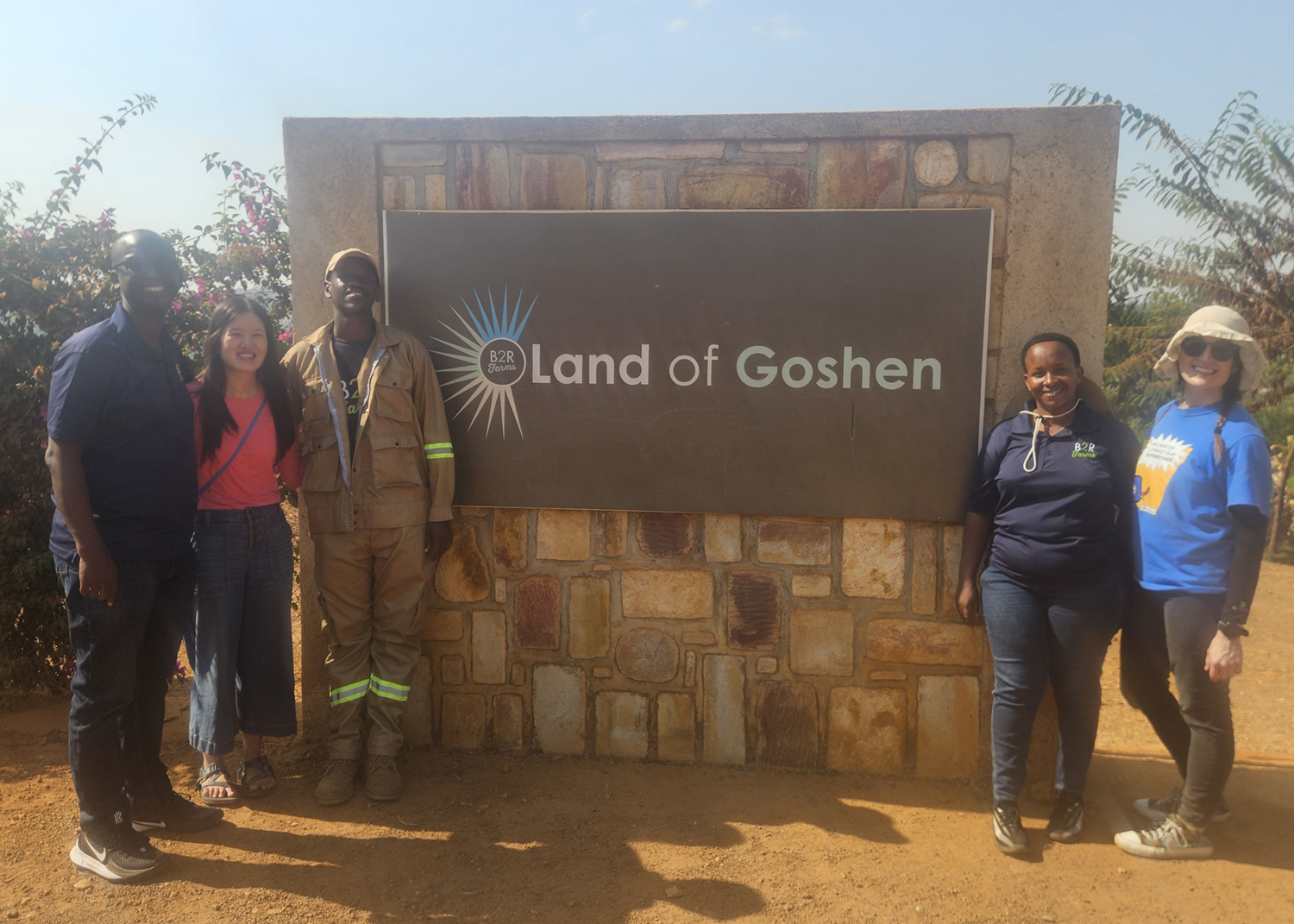
Photo courtesy of Cassie Barrett / SolarSPELL
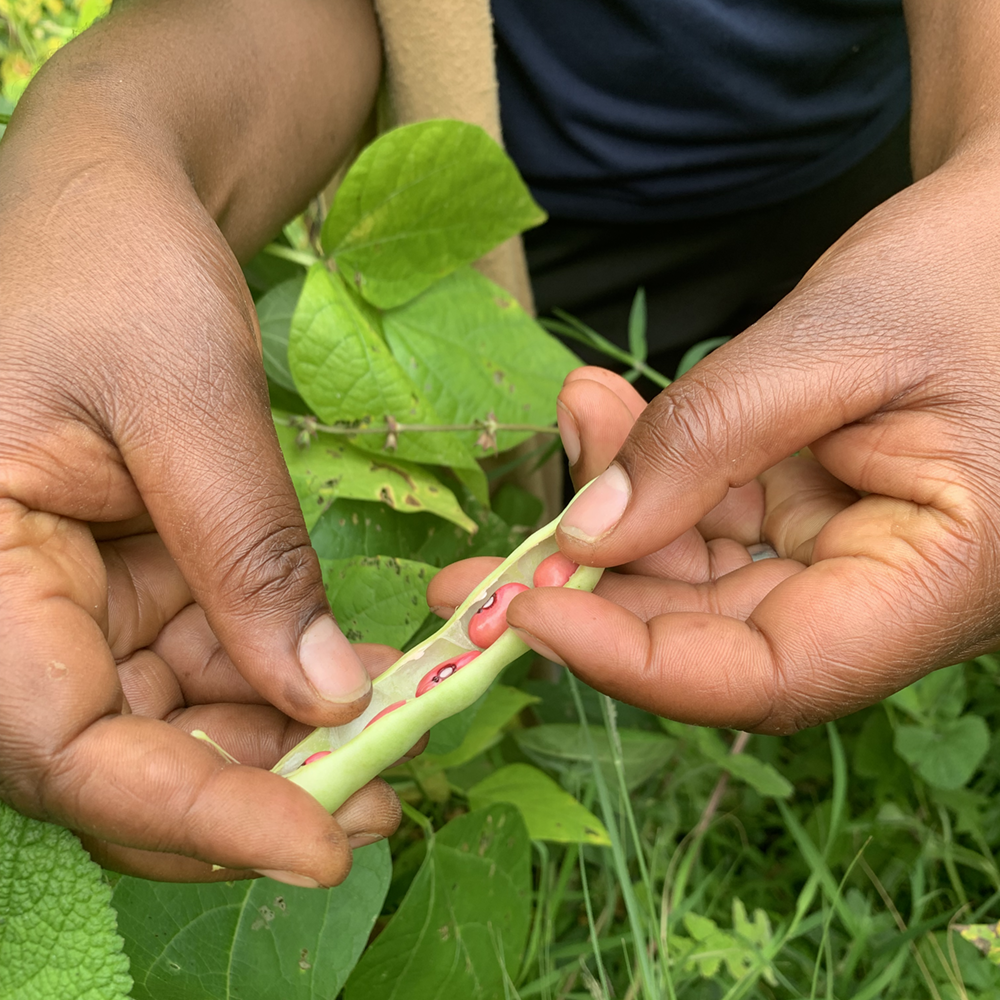
Photo courtesy of Wen Wendt
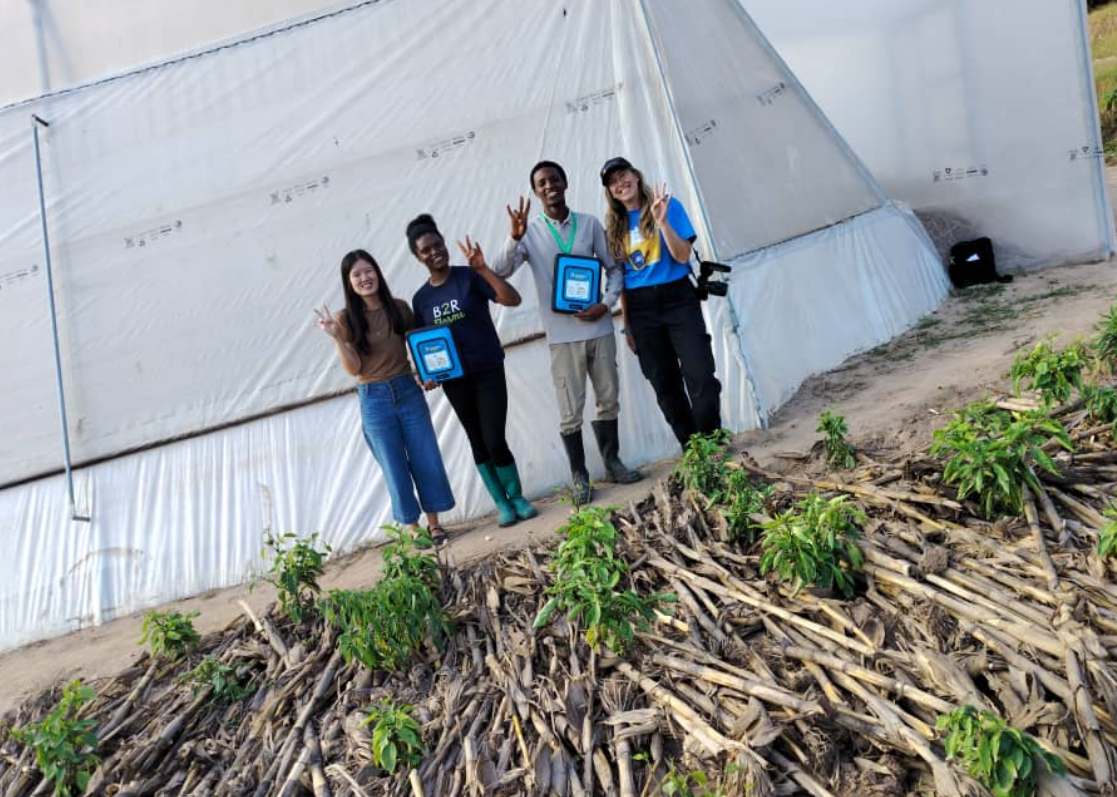
Photo courtesy of Eric Uwitonze / B2R Farms
I returned to Arizona on July 3. One week later, I submitted a first draft to my thesis advisor. At the end of five weeks, I had collected 76 survey responses, conducted five interviews, and assisted three SolarSPELL train-the-trainer trainings. Interning with SolarSPELL has been incredibly rewarding. The questions I have from class have been answered from my internship, and the curiosities that have come from my internship have been explored through my classes. I am grateful to have joined SolarSPELL in Rwanda and had the opportunity to learn more about agriculture and food systems from people working in both.
The ASU SolarSPELL Initiative empowers offline communities globally by providing localized libraries and building the 21st century skills that people need to make informed decisions, increase their self-reliance and improve their quality of life. To get involved, visit https://solarspell.org/student-opportunities.