Connecting the dots: From qualitative research to impact in Rwanda
By Spencer Danzig, SolarSPELL qualitative data analysis intern
For the past year, I have worked with SolarSPELL as a member of the qualitative research team. Much of my role has involved listening to interviews, reviewing transcripts, coding responses, identifying themes and helping make sense of how SolarSPELL libraries are being used across different contexts. Through that work, I have had the opportunity to hear directly from educators, partners and community members about their experiences with SolarSPELL.
In many ways, that gave me a closer connection to SolarSPELL’s work in the field than I might otherwise have had as an intern working from Arizona. I regularly heard people describe how they used the libraries, what they found valuable, what challenges they experienced and how the resources fit into their own work. Even so, there was still a distance between hearing about those experiences through recordings and transcripts and actually being present when the work was taking place.
That distance began to disappear during the first day of our training with Kula Project in Rwanda.
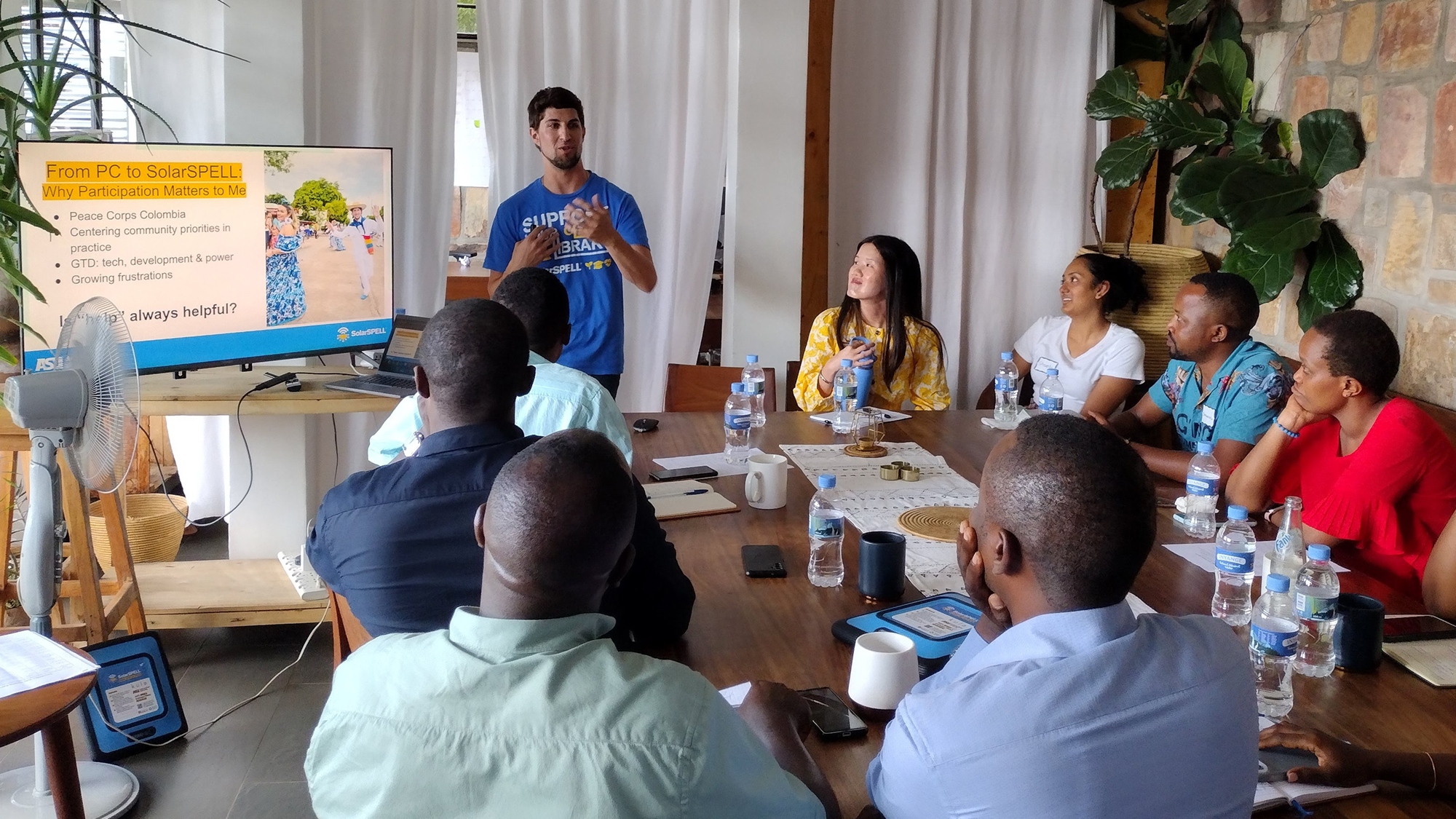
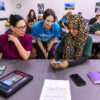
Photo by Laura Hosman / ASU SolarSPELL Initiative
As I watched participants explore the SolarSPELL libraries, ask questions, discuss the resources, and consider how they could use them in their own work, I began to recognize many of the ideas I had encountered throughout the previous year. Concepts that had appeared repeatedly in interviews — access, relevance, training, adaptation, local leadership and continued learning — were no longer simply themes in a codebook. They were happening in front of me.
That first training connected several dots for me. I had always understood that the behind-the-scenes work of qualitative research was important. Listening to partners and users allows SolarSPELL to understand what is working, what may need to change, and how its libraries can better respond to the priorities of the people using them. In Rwanda, however, I gained a much stronger understanding of what that research was connected to.
I could see the human relationships behind the interview transcripts. I could see that a SolarSPELL training was not simply about delivering technology or explaining how to operate a device. It was also about conversation, trust, curiosity, collaboration, and creating space for people to determine how the library could be useful within their own context.
That distinction mattered deeply to me because hands-on, participatory, and community-led development is both my passion and the direction I hope to pursue professionally. I am most interested in work that begins with listening and that treats local people not as passive recipients of an outside solution, but as leaders, experts, and active participants in shaping what development should look like in their communities.
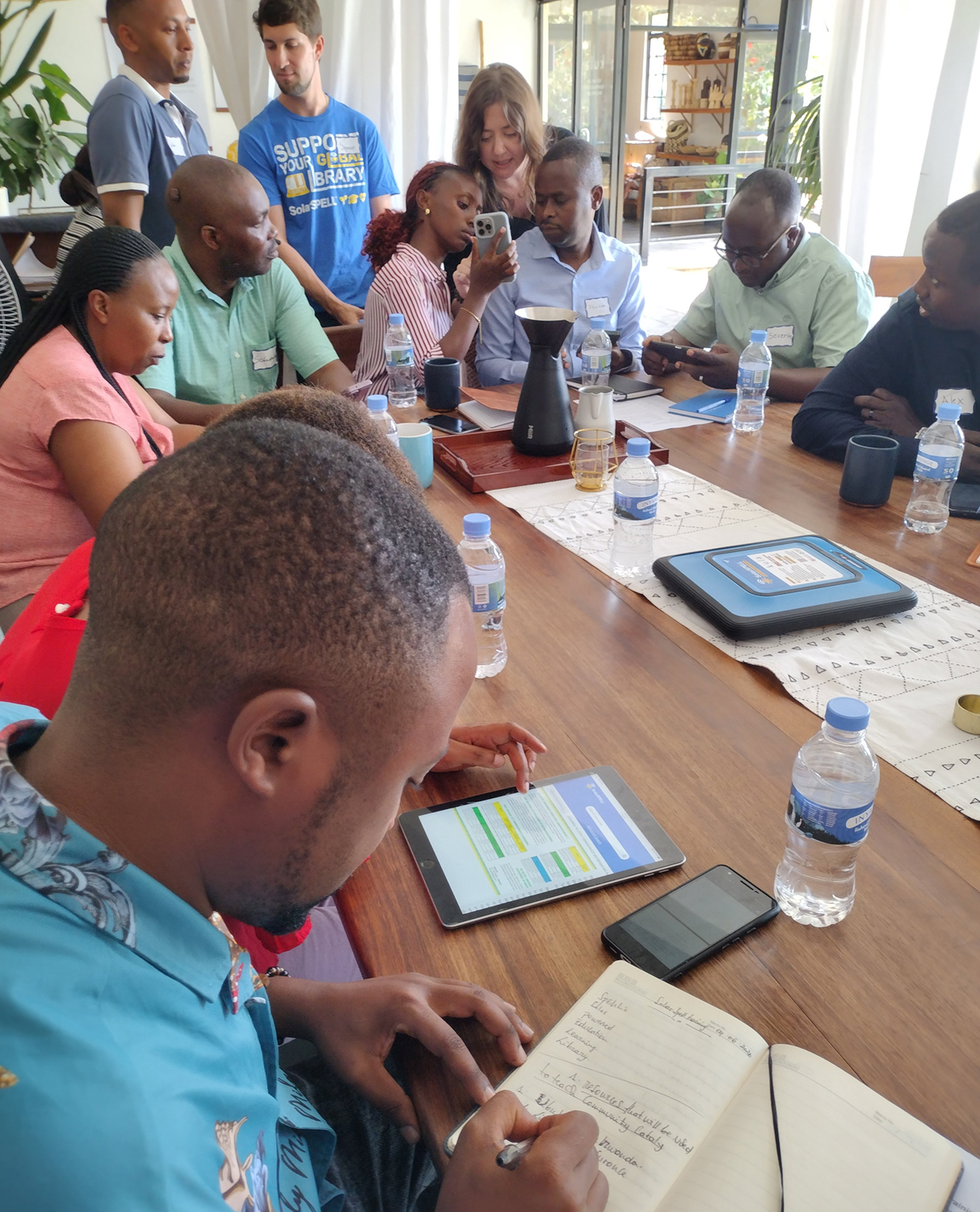
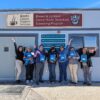
Photo by Laura Hosman / SolarSPELL
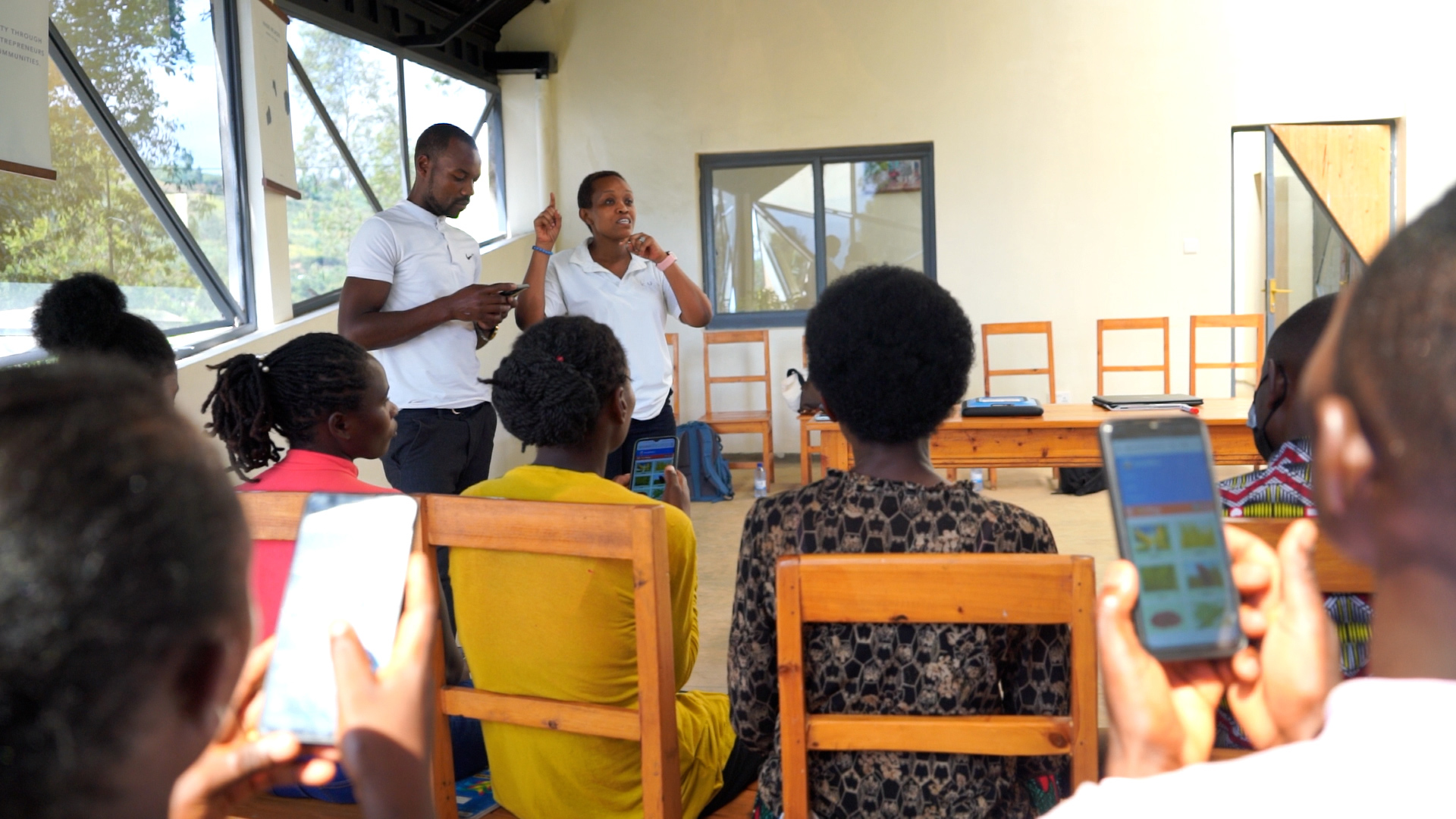
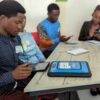
Image by Abby Johnson / ASU SolarSPELL Initiative
Throughout the trip, I saw how important that principle was. The library itself was only one part of the process. Its usefulness depended on the people engaging with it, the local partners guiding its introduction, the trainers responding to questions, and the communities determining how its resources could fit their needs. Watching that process unfold helped me connect my internship responsibilities, my graduate research, and my broader career goals in a way that I had not experienced before.
The sense of pride I felt during the first Kula training continued to grow with each new experience. Every training, conversation, interview, and visit added another piece to my understanding of SolarSPELL’s work. I was able to observe the care that goes into building partnerships, the flexibility required when plans change, and the importance of learning from the people who will actually use the libraries.
I also came to better appreciate the work that happens long before and after a training. Resource curation, library development, partnership building, logistics, research, data analysis, and program evaluation may not always be the most visible parts of SolarSPELL’s work, but they help make the visible moments possible. As an intern, it was meaningful to realize that the interviews I had coded and the themes I had helped analyze were part of a larger process of organizational learning and improvement.
The pride I took from the experience was not about taking credit for work led by Rwandan partners and community members. Instead, it came from knowing that I had contributed, even in a small way, to an organization trying to listen carefully, learn continuously, and improve its work in response to local experiences. It came from seeing the value of the work completed by interns and staff behind the scenes and understanding how that work supports what happens in the field.
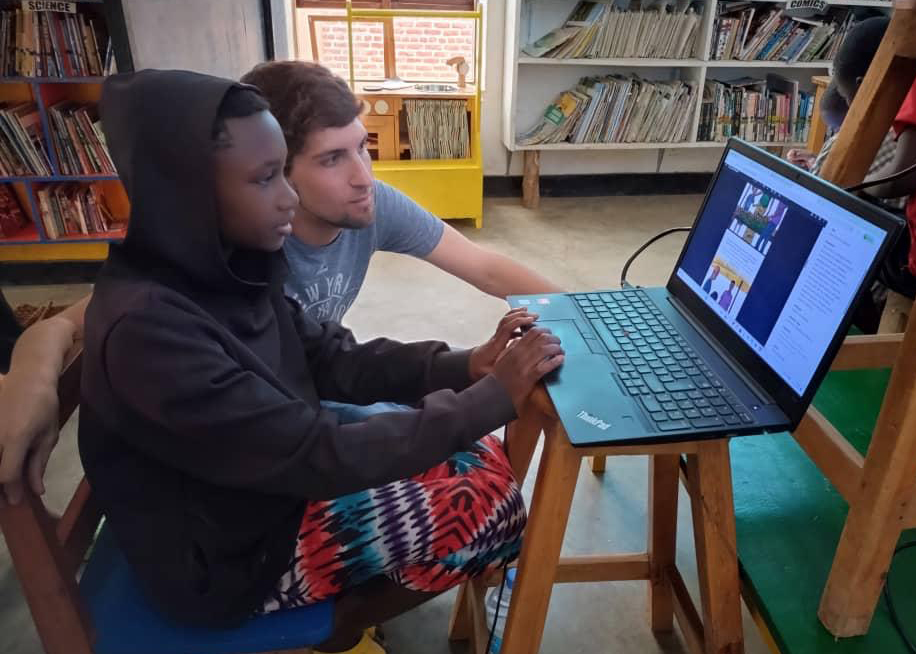
Photo courtesy of Spencer Danzig
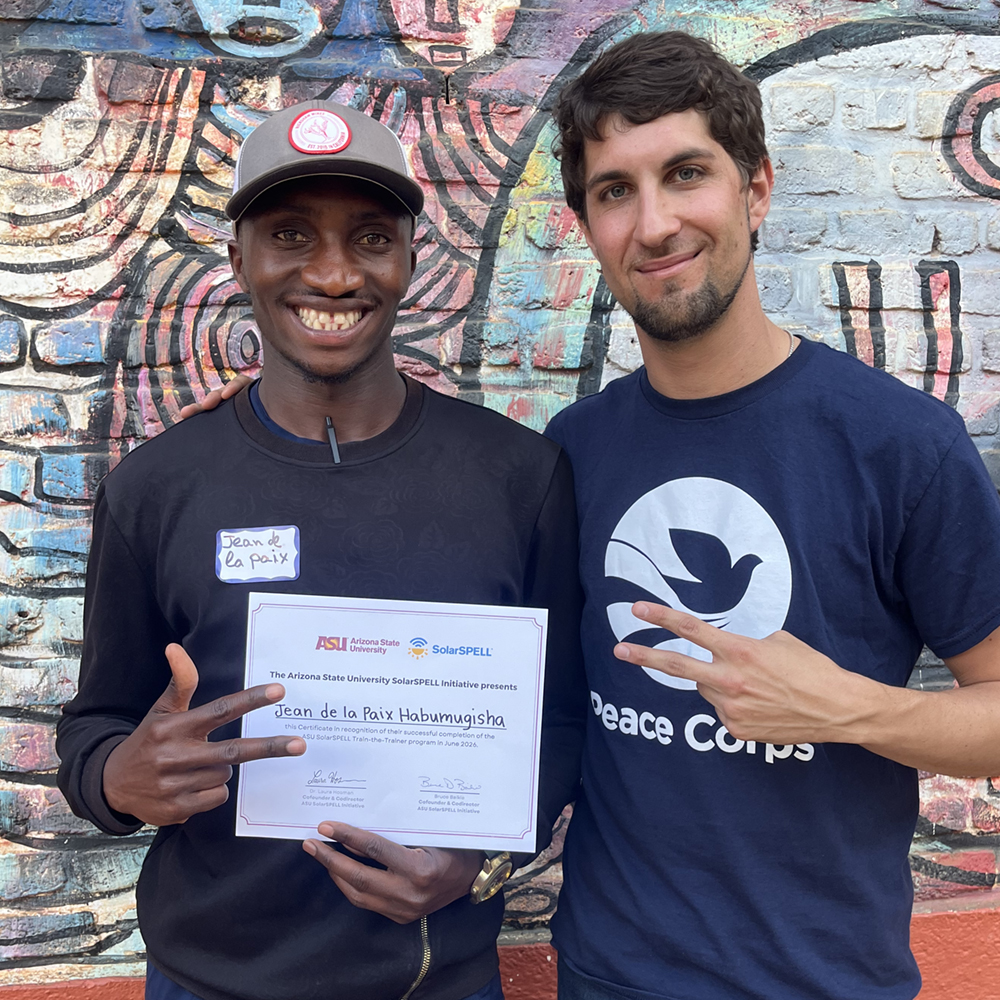
Photo courtesy of Spencer Danzig
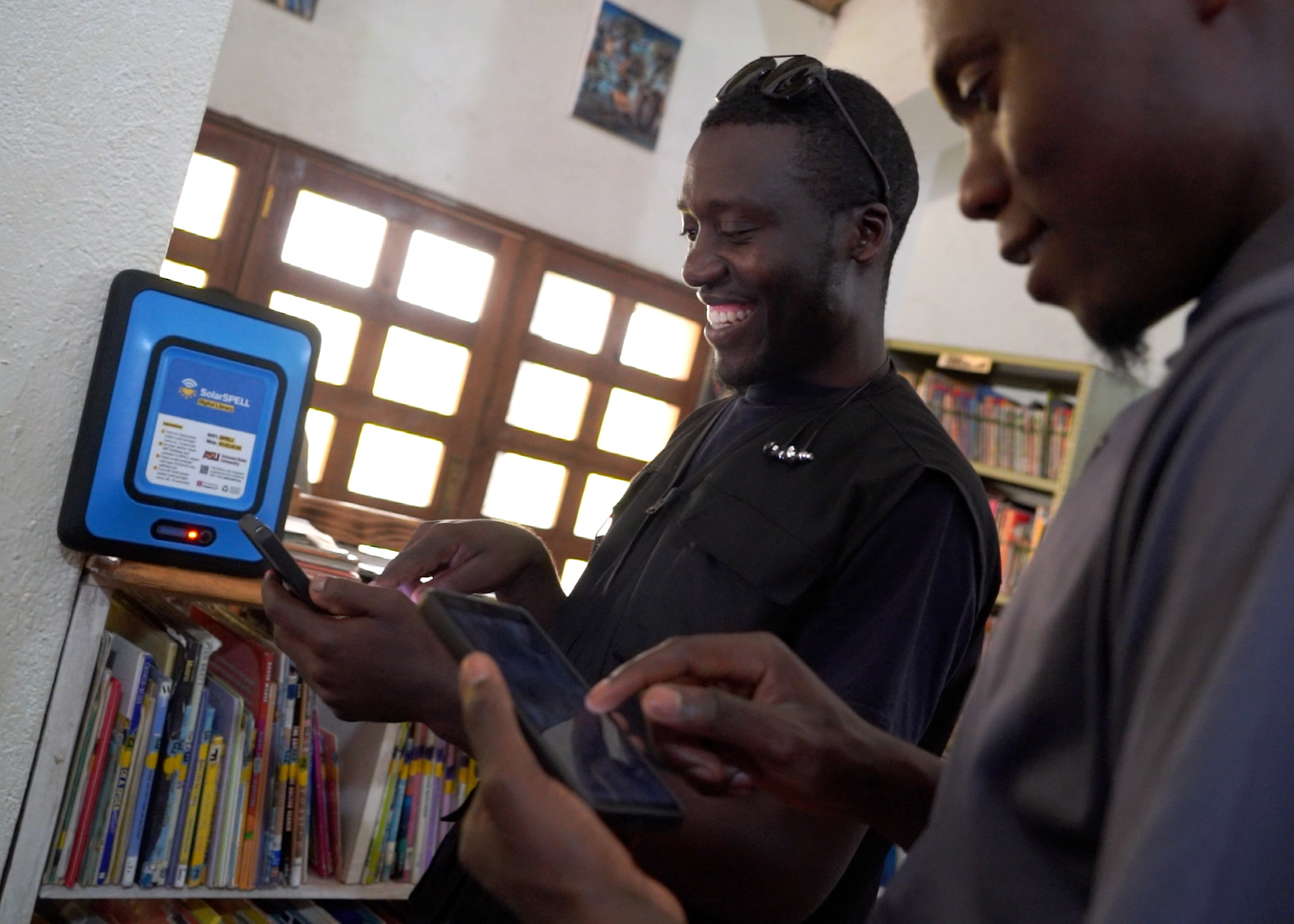
Image by Abby Johnson / SolarSPELL
The trip also changed how I think about qualitative research. Before Rwanda, an interview could sometimes feel like a recording, a transcript, and a collection of codes that needed to be reviewed. Now, I more clearly picture the people, relationships, environments, and experiences behind the words. I understand more fully that every response represents someone offering their time and knowledge in the hope that it will be heard and used meaningfully.
Returning from Rwanda, I feel even more committed to work that brings research and direct community engagement together. The experience strengthened my belief that effective development work requires humility, patience, collaboration and a willingness to keep learning from local partners.
What began during that first day of training with Kula as a feeling of excitement became something deeper over the course of the trip: pride in the work I had already contributed, gratitude for the people who allowed me to learn from them, and a stronger sense of responsibility for how I approach this work in the future.
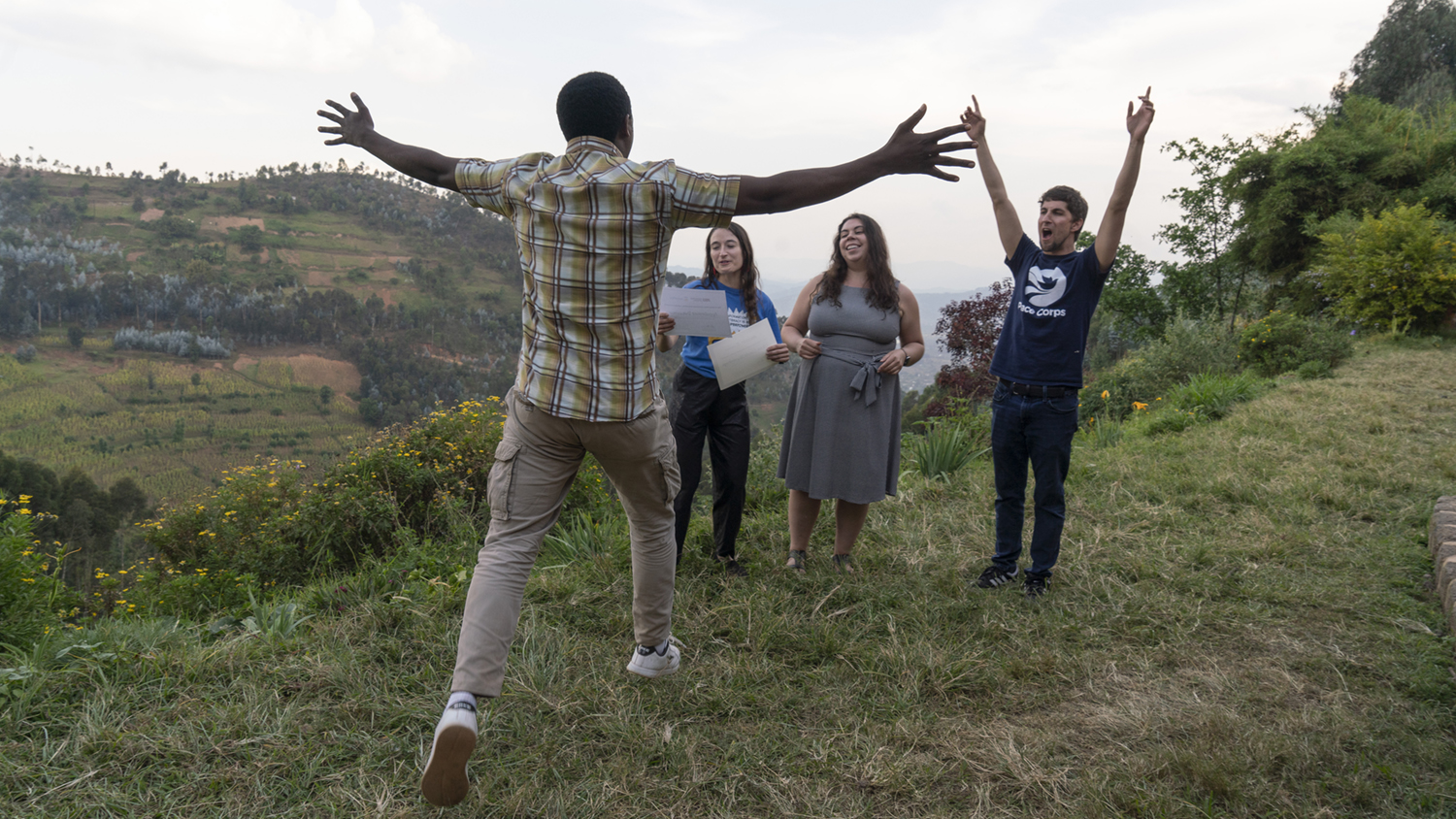
Photo by Abby Johnson / ASU SolarSPELL Initiative
The ASU SolarSPELL Initiative empowers offline communities globally by providing localized libraries and building the 21st century skills that people need to make informed decisions, increase their self-reliance and improve their quality of life. To get involved, visit https://solarspell.org/student-opportunities.