In June 2026, the ASU SolarSPELL Initiative traveled to Rwanda to lead train-the-trainer workshops with three different partners, conduct impact evaluation and provide experiential learning for three student interns.
Launching SolarSPELL’s coffee & women’s entrepreneurship collection with Kula Project
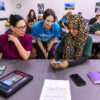
One of the major milestones of the trip was the official launch of SolarSPELL’s partnership with Kula Project, bringing SolarSPELL to coffee-farming communities in Rwanda for the first time. The SolarSPELL team trained 11 staff members from Kula Project, including agronomists, business coaches and program leaders, on how to use and teach with the SolarSPELL digital library. Participants were especially excited to explore the first SolarSPELL library focused on coffee agronomy. This collection includes two interactive courses on coffee production and household entrepreneurship, developed by an ASU student and SolarSPELL intern, in close collaboration with Kula. Additionally, the libraries contain thousands of additional resources on topics such as regenerative agriculture, entrepreneurship, coffee pests and diseases, soil health and more. The training generated immediate enthusiasm and ideas for how the library could strengthen farmer education across Kula’s programs.
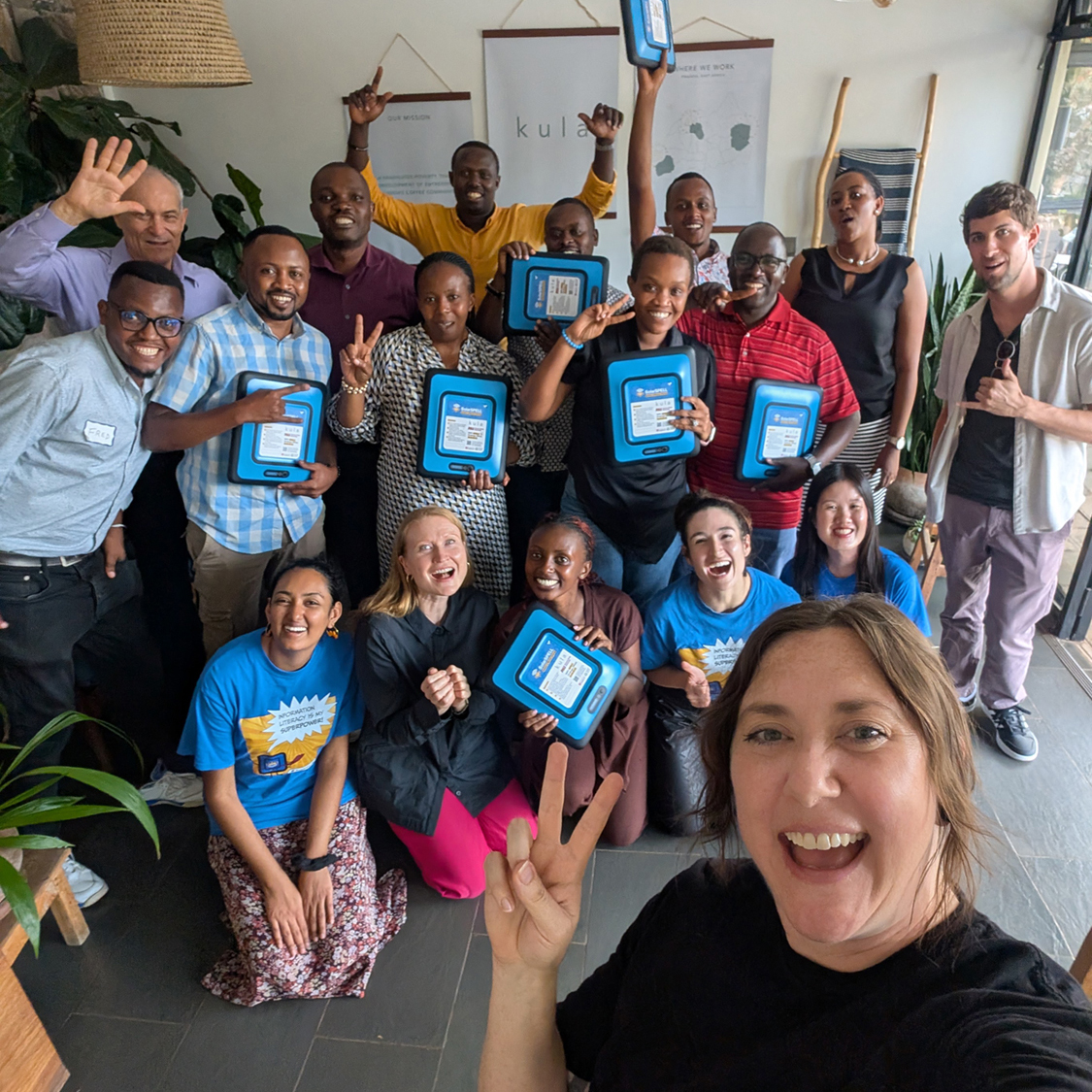
Photo by Rachel Nova / ASU SolarSPELL Initiative
Seeing the train-the-trainer model in action with Kula
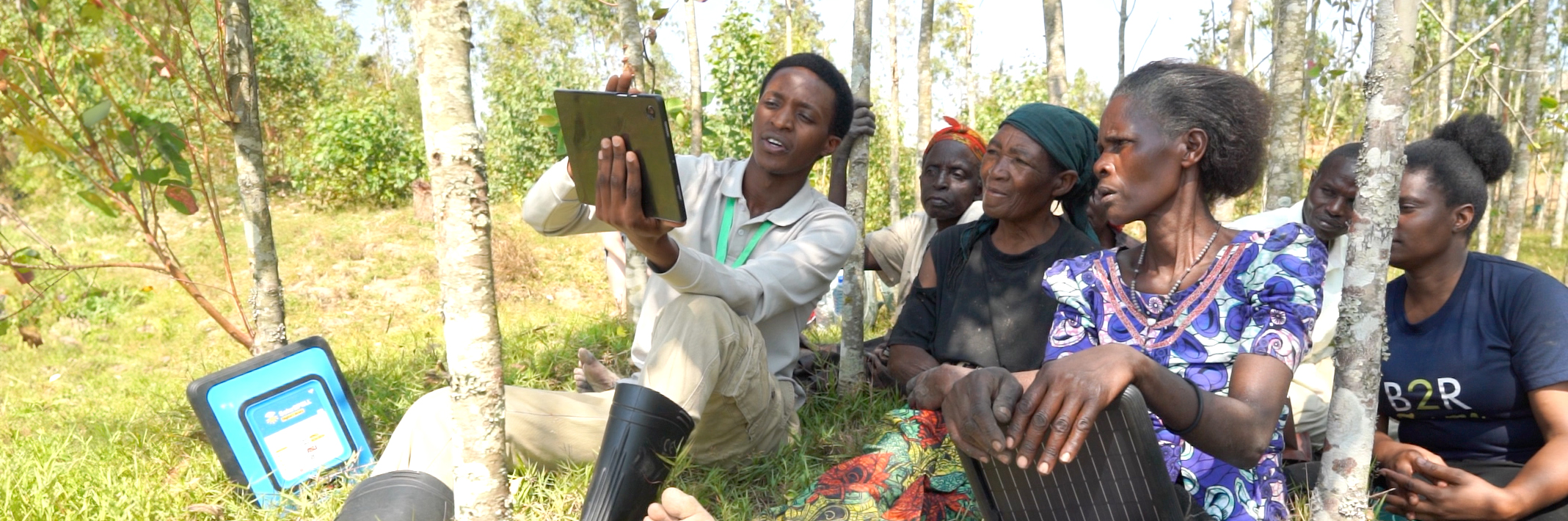
Just two weeks after the initial Kula training, the SolarSPELL team traveled to Rwanda’s Gakenke district to observe Kula staff leading their own SolarSPELL training for 15 community catalysts — farmer leaders who support knowledge sharing within their communities. The highly interactive training was conducted in Kinyarwanda and demonstrated how quickly Kula staff had adapted the SolarSPELL training model to their local context. Watching catalyst farmers confidently explain how to use the library and teach others provided a powerful example of the sustainability and local ownership that SolarSPELL strives to build through its train-the-trainer approach.
Building climate change resilience with B2R Farms
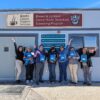
Since 2024, SolarSPELL has been supporting the efforts of B2R Farms, a nonprofit tasked by the Rwandan government with facilitating the widespread adoption of conservation agriculture (CA). Their fellows, who provide in-field training and support to farmers across the country, use SolarSPELL libraries to deepen their own knowledge and provide locally relevant training resources to farmers. On this trip, our team conducted a training with more than 70 B2R Farms fellows, making this one of the SolarSPELL’s largest trainings to-date. During this visit, additional libraries were distributed, with the goal of every B2R fellow having access to a SolarSPELL library.
Surveys of more than 3,000 farmers have already shown that SolarSPELL libraries help fellows reach significantly more people. Furthermore, farmers who have used SolarSPELL resources experience even higher crop yields than farmers without access to SolarSPELL resources. These results confirm the power of offline digital libraries to strengthen agricultural education and improve livelihoods.
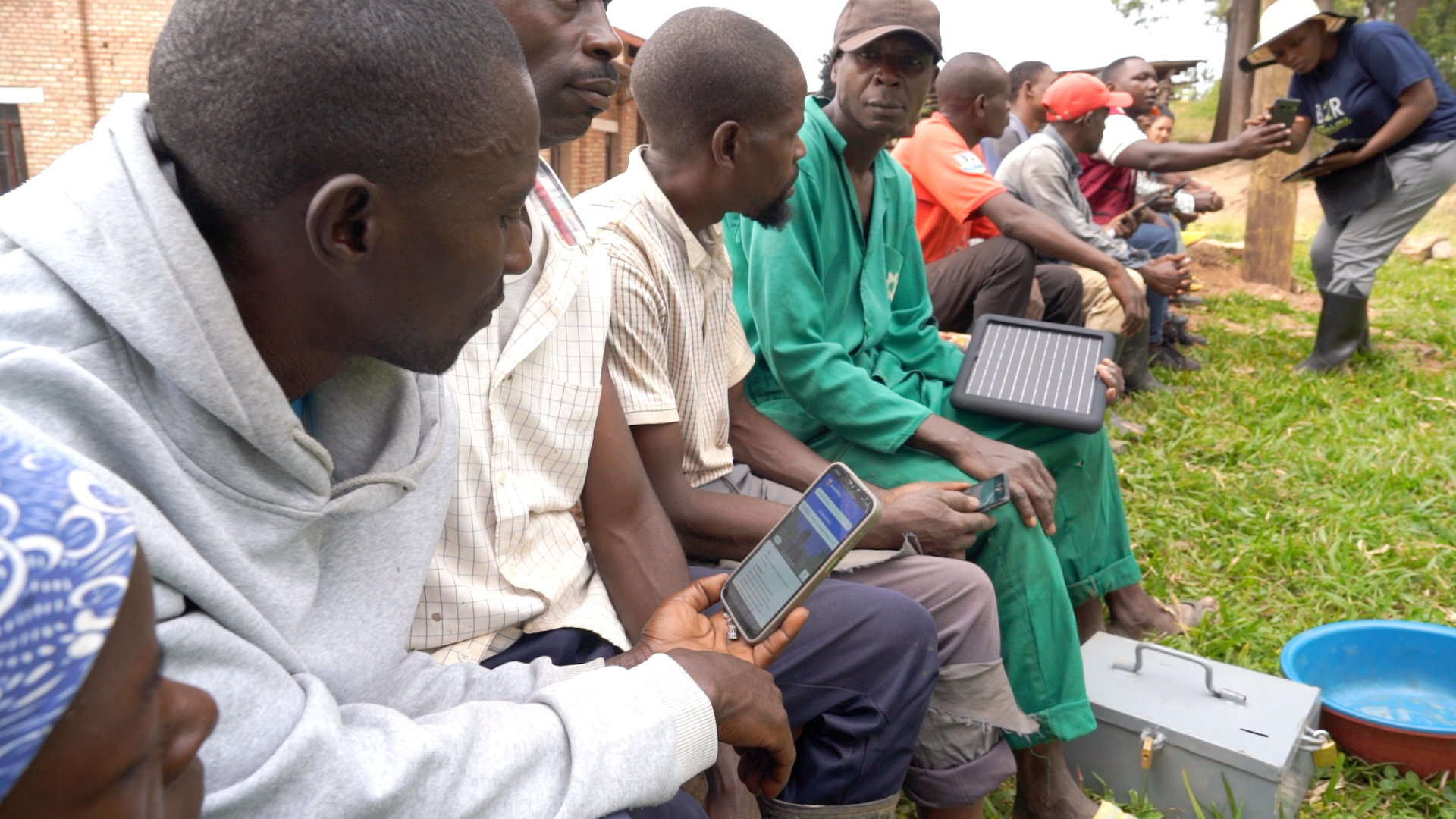
Image by Abby Johnson / ASU SolarSPELL Initiative
Community library expansion and librarian training with Chapters Network
Sunzu Yacu Community Library, operated by Chapters Network, is a longtime SolarSPELL partner and model of locally led development, showcasing the active role libraries play in fostering lifelong learning and addressing community needs. Building on the success of Sunzu Yacu, Chapters Network has been helping establish community libraries in other districts. And Sunzu Yacu’s lead librarian Appolinaire Dukuzimana has been training their teams how to replicate Sunzu Yacu’s programs, which includes preschool, literacy classes, exam tutoring, computer classes, music clubs and more. To support Chapters Network in achieving this vision, we are providing these new community libraries with SolarSPELL digital libraries. During our visit, we trained 11 librarians and library volunteers in preparation for this expansion. Participants left buzzing with ideas of how to harness the digital library to support their existing programming and outreach. The SolarSPELL team also spent some time documenting Sunzu Yacu’s programming model in order to share best practices with other community libraries around the world.
Impact evaluation and learning for continuous improvement
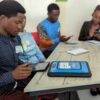
A key focus of the second half of the trip was conducting impact evaluation activities with SolarSPELL library trainers and users. The team carried out in-person interviews, surveys and site visits with library users and partner organizations to better understand how SolarSPELL libraries are being used and what impact they are having in communities. Monitoring, evaluation and learning are critical to SolarSPELL’s work because they help us understand realities on the ground, identify what is working well, uncover opportunities for improvement, and guide future content curation. These findings also contribute to academic research and publications that help advance understanding of effective educational interventions in low-resource settings.
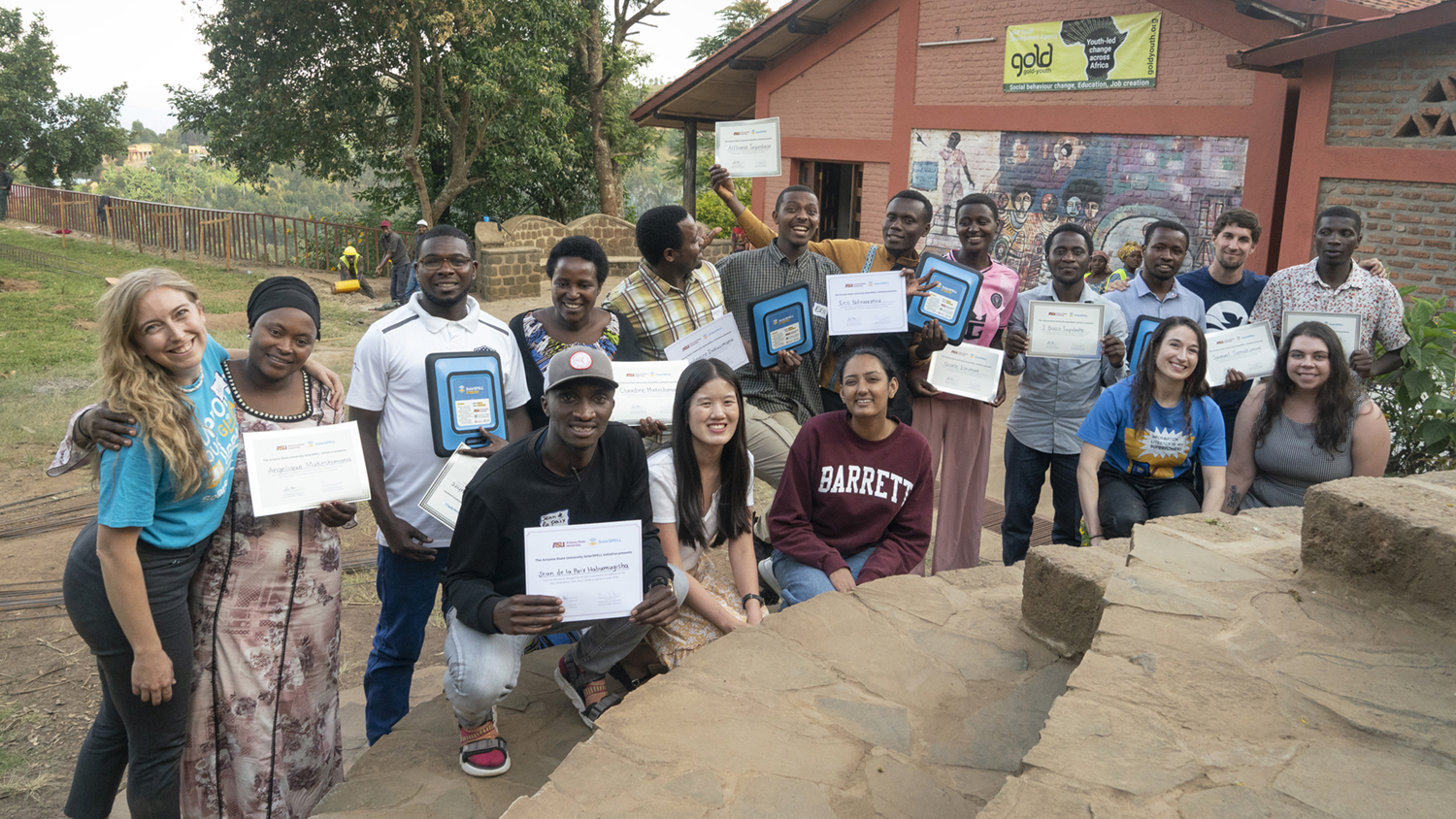
Photo by Abby Johnson / ASU SolarSPELL Initiative
Student research in action
Three SolarSPELL student interns — Spencer Danzig, Wen Wendt and Shaela Patel — joined the team in Rwanda, where they played an integral role in supporting trainings, conducting field visits, engaging with community members, and documenting project activities. Beyond contributing to SolarSPELL’s work on the ground, each student also pursued an independent research project aligned with their academic interests, using the trip as an opportunity to connect classroom learning with real-world challenges and community-driven solutions.
Spencer Danzig is researching community-led development and exploring how local ownership contributes to the long-term sustainability of development initiatives. Through interviews and observations with SolarSPELL partners, Spencer examined how development initiatives can adapt to community priorities to meet their own needs.
Wen Wendt is conducting research on sustainable food systems, with a particular focus on how knowledge sharing and agricultural education can support more resilient farming communities. Her fieldwork included surveys and conversations with farmers, trainers and partner organizations working to strengthen agricultural livelihoods across Rwanda.
Shaela Patel is evaluating a series of eight educational livestock-care videos that she developed in collaboration with a veterinarian and a Rwanda-based SolarSPELL intern, who translated them into Kinyarwanda. The videos provide practical guidance for farmers in areas where veterinary services may be limited. During the trip, Shaela collected feedback from farmers and agricultural professionals to assess the videos’ usefulness and identify opportunities for future improvement.
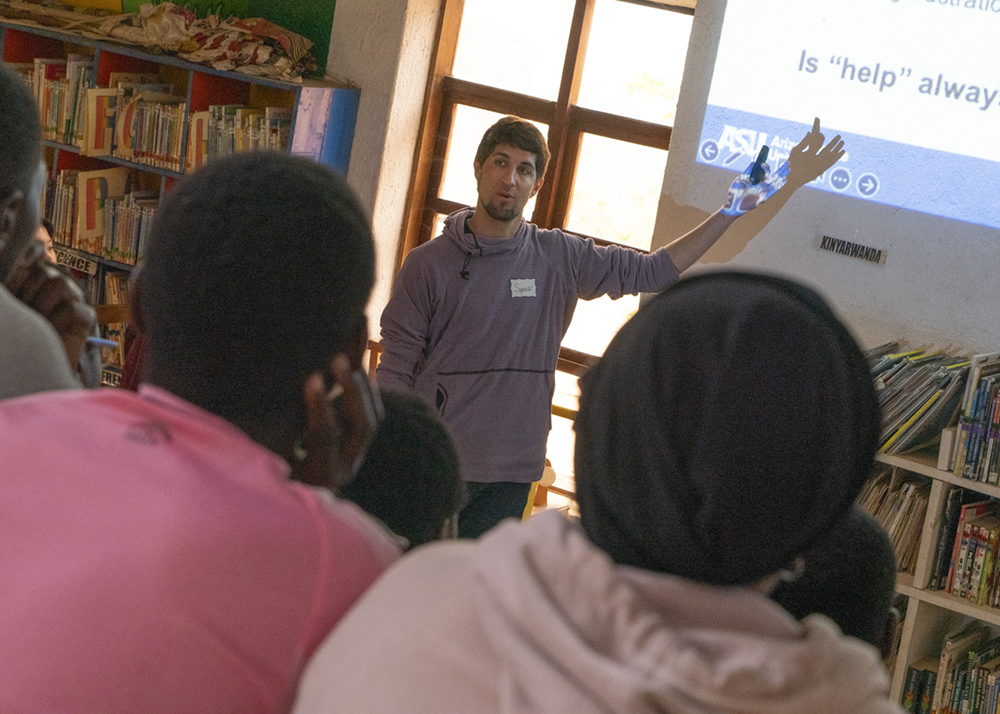
Photo by Abby Johnson / ASU SolarSPELL
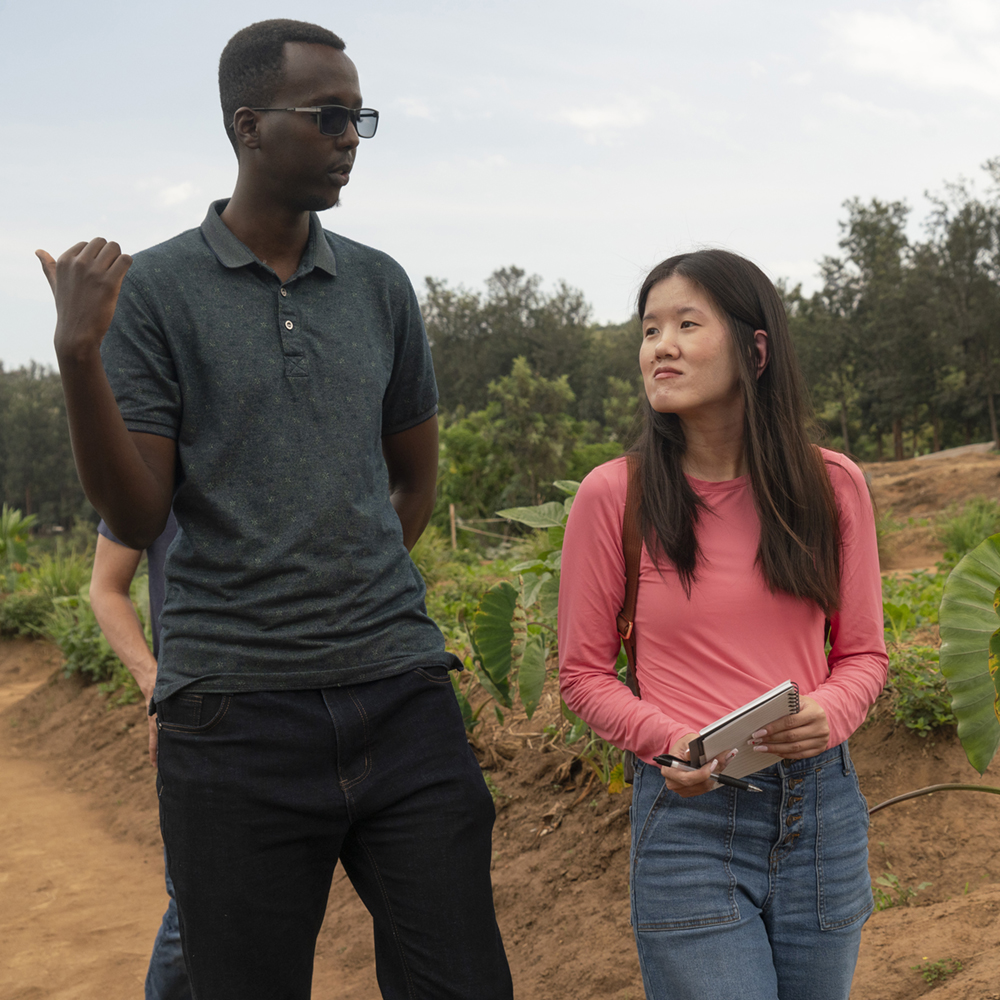
Photo by Abby Johnson / ASU SolarSPELL
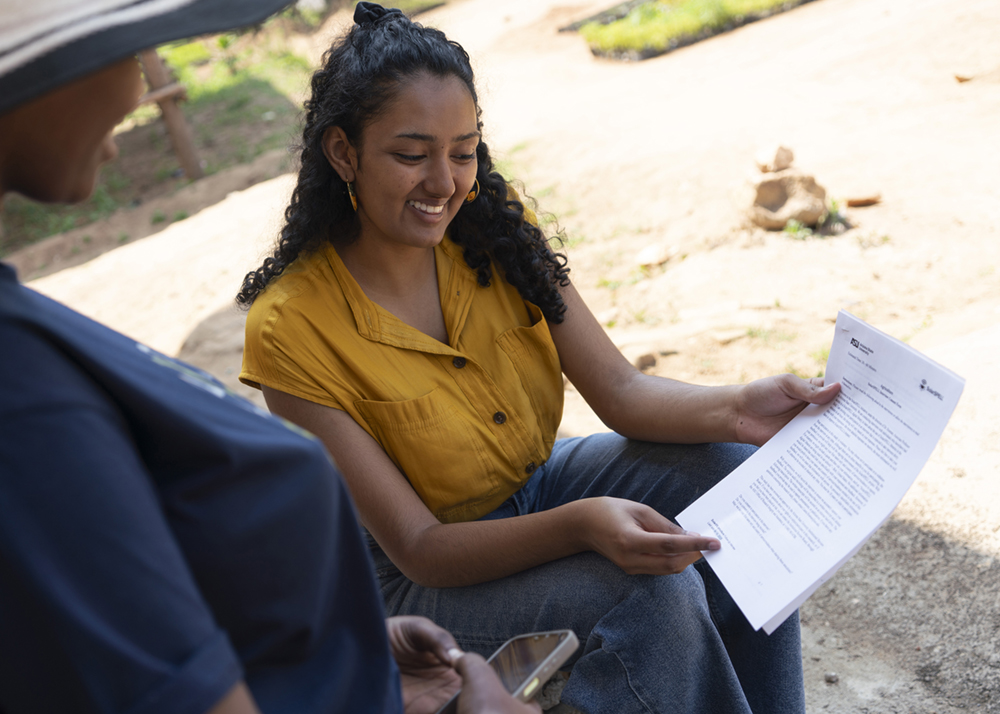
Photo by Abby Johnson / ASU SolarSPELL
The ASU SolarSPELL Initiative empowers offline communities globally by providing localized libraries and building the 21st century skills that people need to make informed decisions, increase their self-reliance and improve their quality of life.
These projects were made possible by the generosity of SolarSPELL supporters like you. We invite you to be a part of our mission by visiting our ASU Foundation page or contacting [email protected] to learn more. Let’s change the future — together.