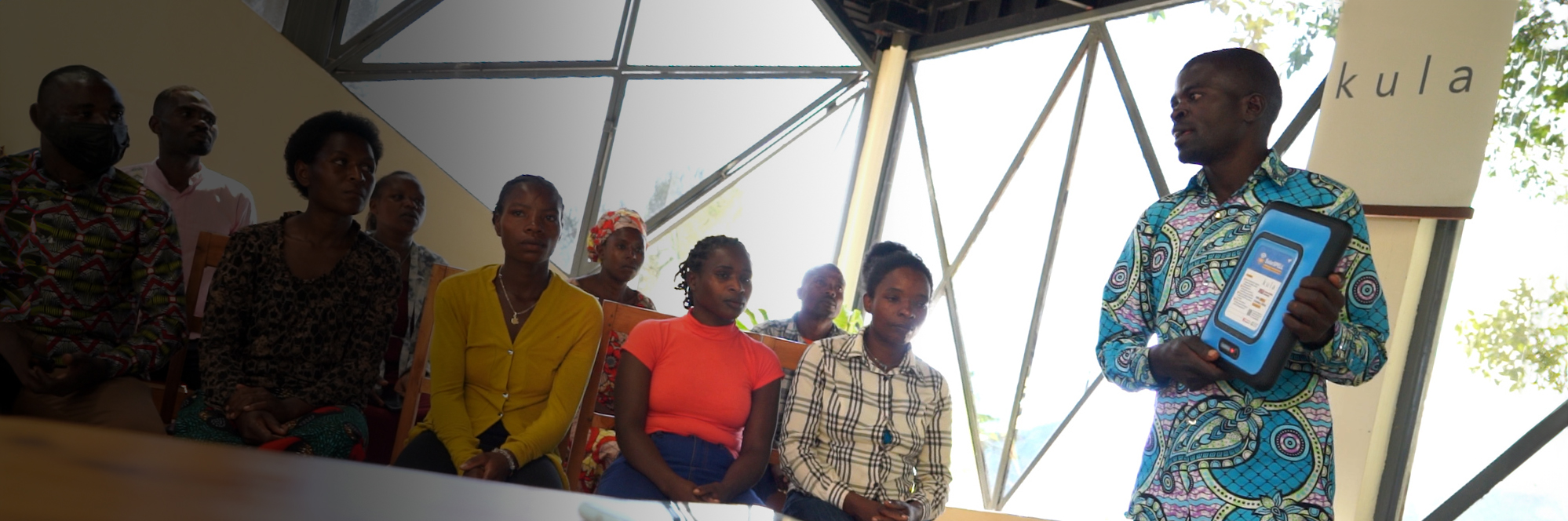
Kula Project is a nonprofit that works alongside coffee-farming communities to improve women coffee farmers’ livelihoods through regenerative agricultural training, entrepreneurship education and market access. A core focus of Kula’s work is empowering women farmers — helping them increase household income, build financial independence and take on leadership roles within their communities. Through a network of agronomists, business coaches and community catalysts, Kula supports farming families in adopting sustainable agricultural practices, increasing coffee yields and strengthening household economies. As Kula’s programs have grown, the organization has sought innovative ways to modernize and expand access to its training materials, ensuring that valuable knowledge can reach more farmers while remaining accessible in rural areas with limited internet connectivity.
The partnership between the ASU SolarSPELL Initiative and Kula emerged through a shared commitment to expanding access to educational resources for farming communities. After initial conversations began in 2024, both organizations quickly recognized the strong alignment between Kula’s community-centered approach to agricultural productivity, women’s economic empowerment and entrepreneurship development and SolarSPELL’s holistic model of co-curating content, building local training capacity and expanding access to educational resources through offline digital libraries. Over the following year, the partnership evolved into a truly collaborative effort, including the co-development of interactive digital courses based on Kula’s curriculum and the curation of the first SolarSPELL library collection focused on coffee agronomy. The launch of this project in June marked the culmination of months of planning, content development and relationship building, and the beginning of an exciting new chapter in bringing knowledge directly to coffee-farming communities across Rwanda.
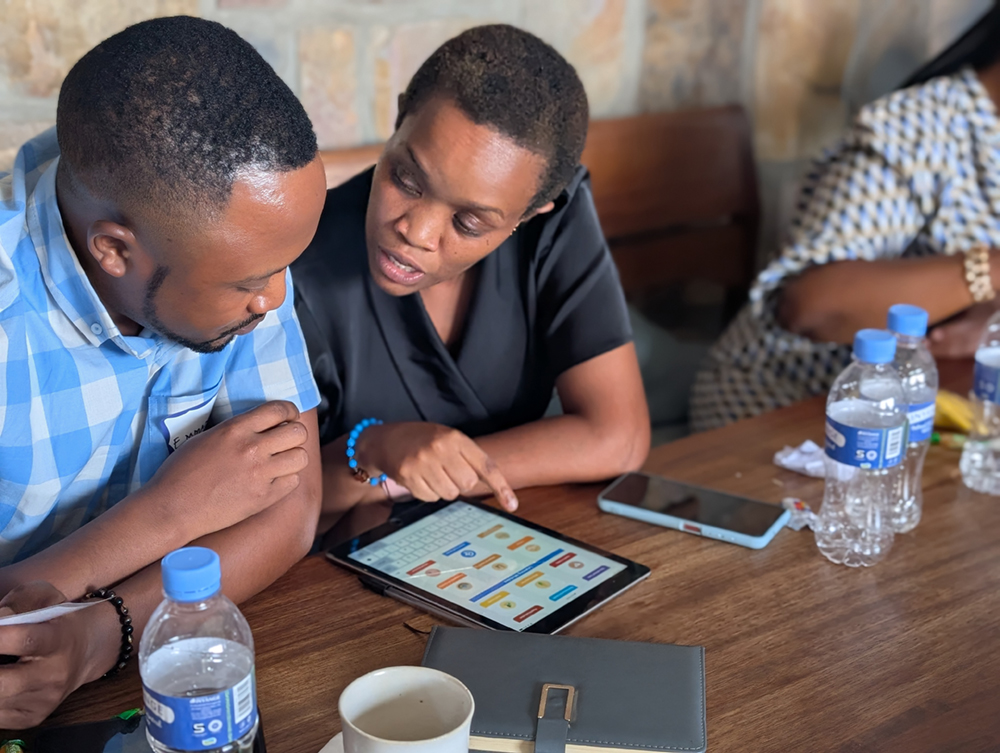
Photo by Rachel Nova / ASU SolarSPELL
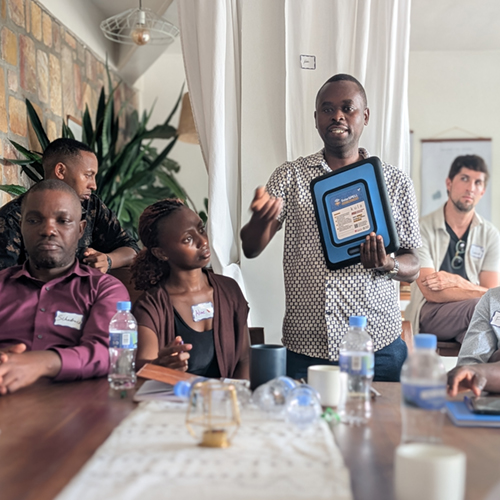
Photo by Rachel Nova / ASU SolarSPELL
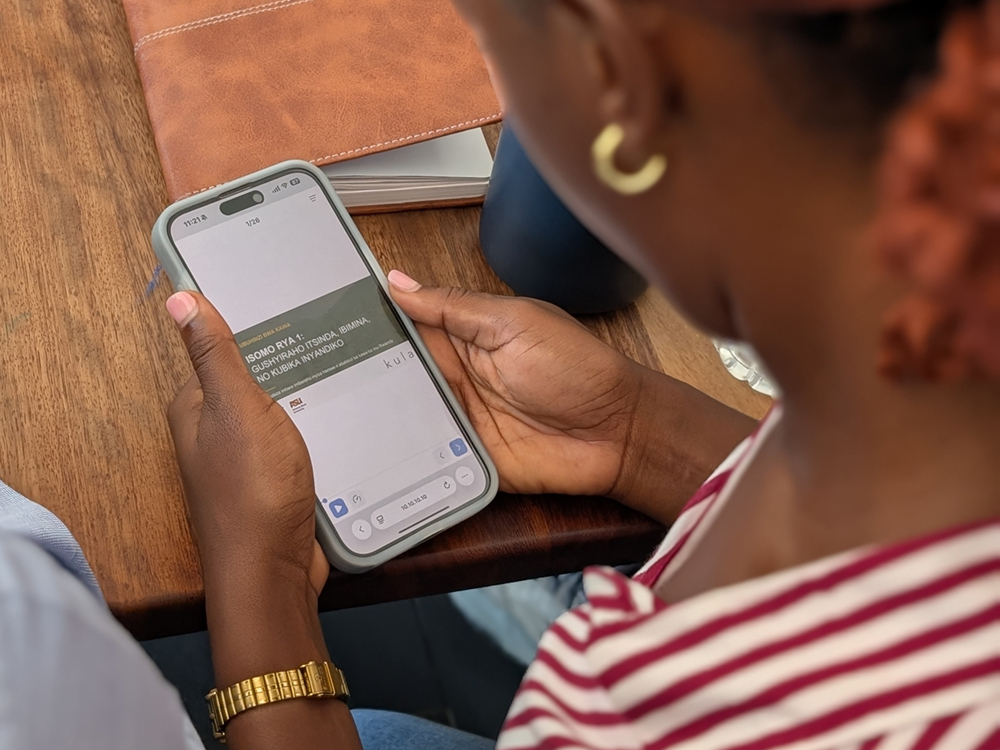
Photo by Rachel Nova / ASU SolarSPELL
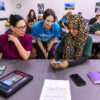
In June, the SolarSPELL team, accompanied by three student interns, conducted a two-day training for Kula Project’s management team and field staff. Eleven participants, including coffee agronomists, business coaches and program leaders, learned how to use the SolarSPELL digital library and explored ways to integrate it into Kula’s agricultural extension and entrepreneurship programs.
Participants were highly engaged throughout the training. A highlight for many was seeing two interactive learning courses developed specifically for this partnership over the previous six months. Created by an ASU SolarSPELL intern from Rwanda in close collaboration with Kula staff, the courses are based on Kula’s existing curriculum and focus on coffee agronomy and household entrepreneurship, respectively. Each course consists of seven distinct lessons, bringing Kula’s curriculum to life through highly visual, engaging, interactive lessons, all in the local language of Kinyarwanda. Participants were excited to see their own training content transformed into engaging digital learning experiences. In addition, they were enthusiastic about the thousands of supplemental resources available on topics such as coffee agronomy, regenerative agriculture, soil health, coffee pests and diseases, entrepreneurship and more. Discussions focused on practical applications, with participants identifying ways to use both the Kula-developed courses and broader library resources during women farmer trainings, coaching sessions and community outreach activities.
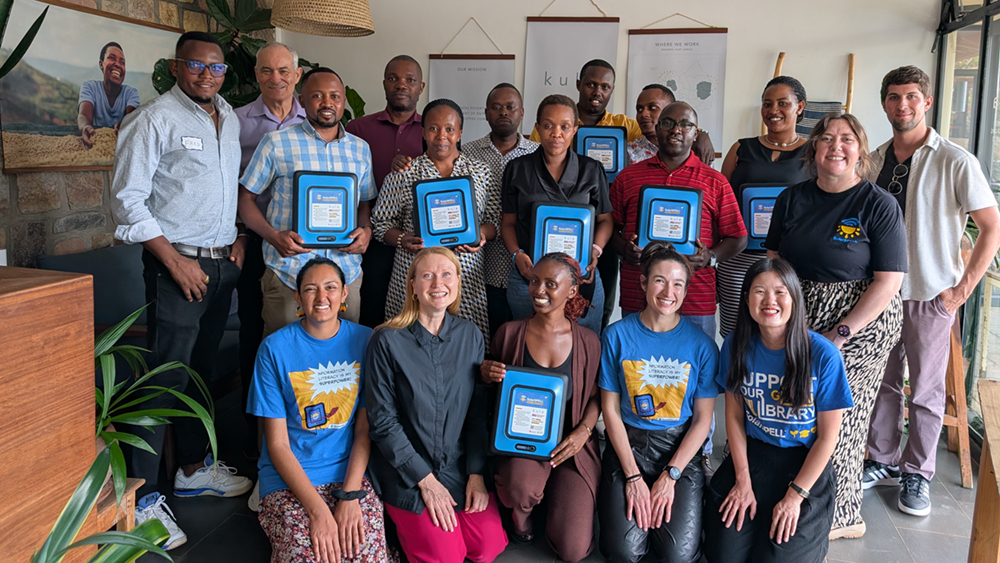
Anonymous feedback on the training was overwhelmingly positive. One participant shared that SolarSPELL provides “many resources about regenerative agriculture” that will benefit both staff and farmers. Another described the training as “engaging and informative,” while others highlighted that the library would put information “at farmers’ fingertips” and help them train community catalysts using visual content. Participants also valued SolarSPELL’s offline functionality, recognizing its potential to expand access to knowledge in rural communities with limited internet connectivity. Overall, the training equipped Kula staff with the skills and confidence needed to integrate SolarSPELL libraries into their programs and share them more broadly with the communities they serve.
One of the most encouraging outcomes was the Kula team’s immediate interest in expanding SolarSPELL’s reach through their network of community catalysts (farmer leaders who support knowledge sharing within their communities). By the end of the training, staff were already mapping out how they would integrate the library into their existing training programs. This enthusiasm led to an invitation for the SolarSPELL team to observe a catalyst training later in the month in the Gakenke district, a rare opportunity to see the train-the-trainer model in action.
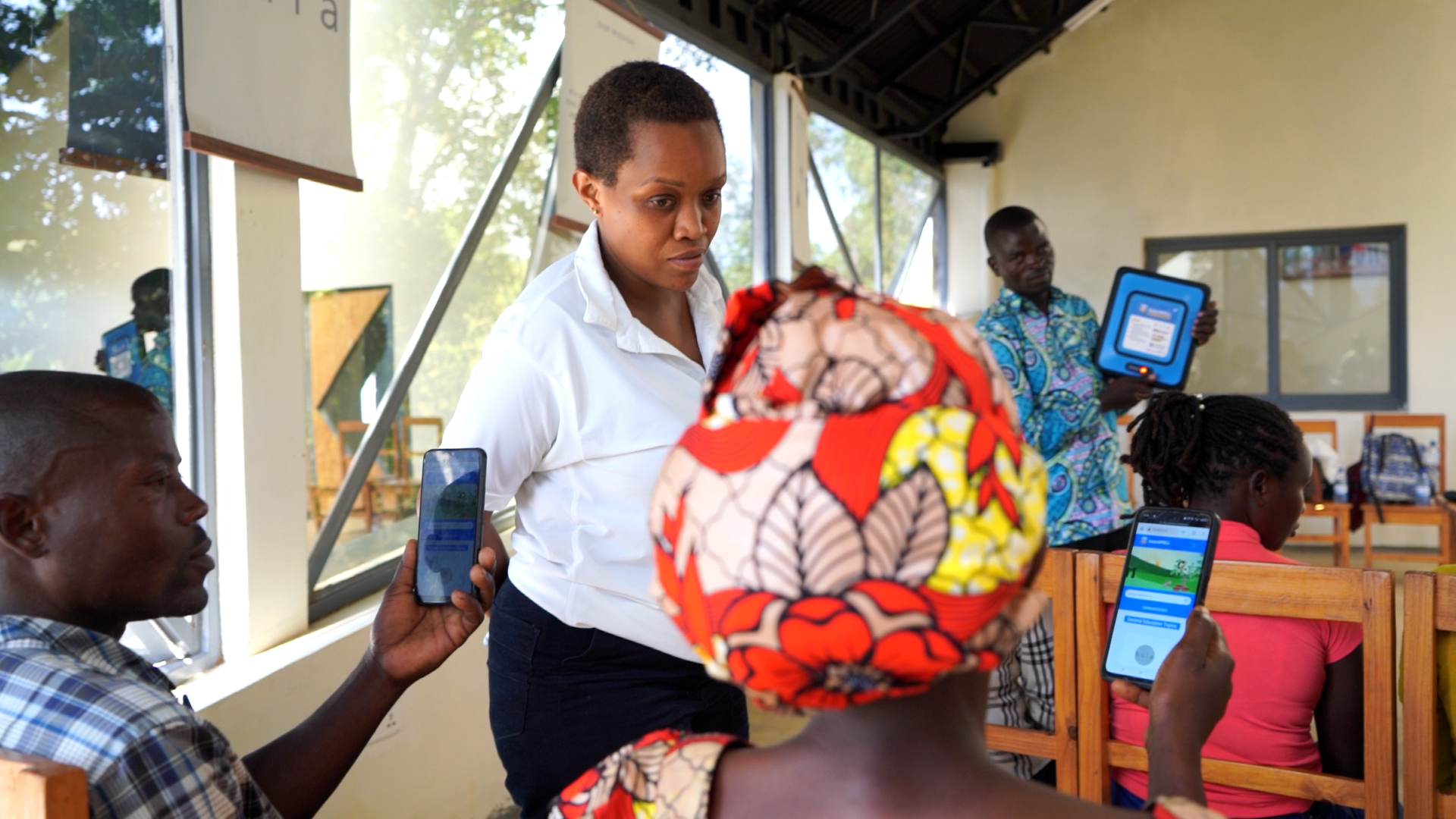
Photo by Abby Johnson / ASU SolarSPELL Initiative
Kula Project works with coffee-farming communities across three regions of Rwanda through a network of coaches, agronomists and community catalysts. After completing the initial SolarSPELL training, Kula staff quickly adapted the training materials and began training these catalysts to use the digital library as a tool for sharing agricultural and entrepreneurship knowledge.
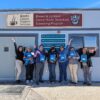
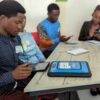
The SolarSPELL team observed the second day of one two-day training led entirely by three Kula staff members for 15 catalyst farmers. The session demonstrated strong local ownership of both the technology and the training approach. Catalyst farmers confidently answered questions about how the library works, how to check battery levels, and how to locate resources in the library.
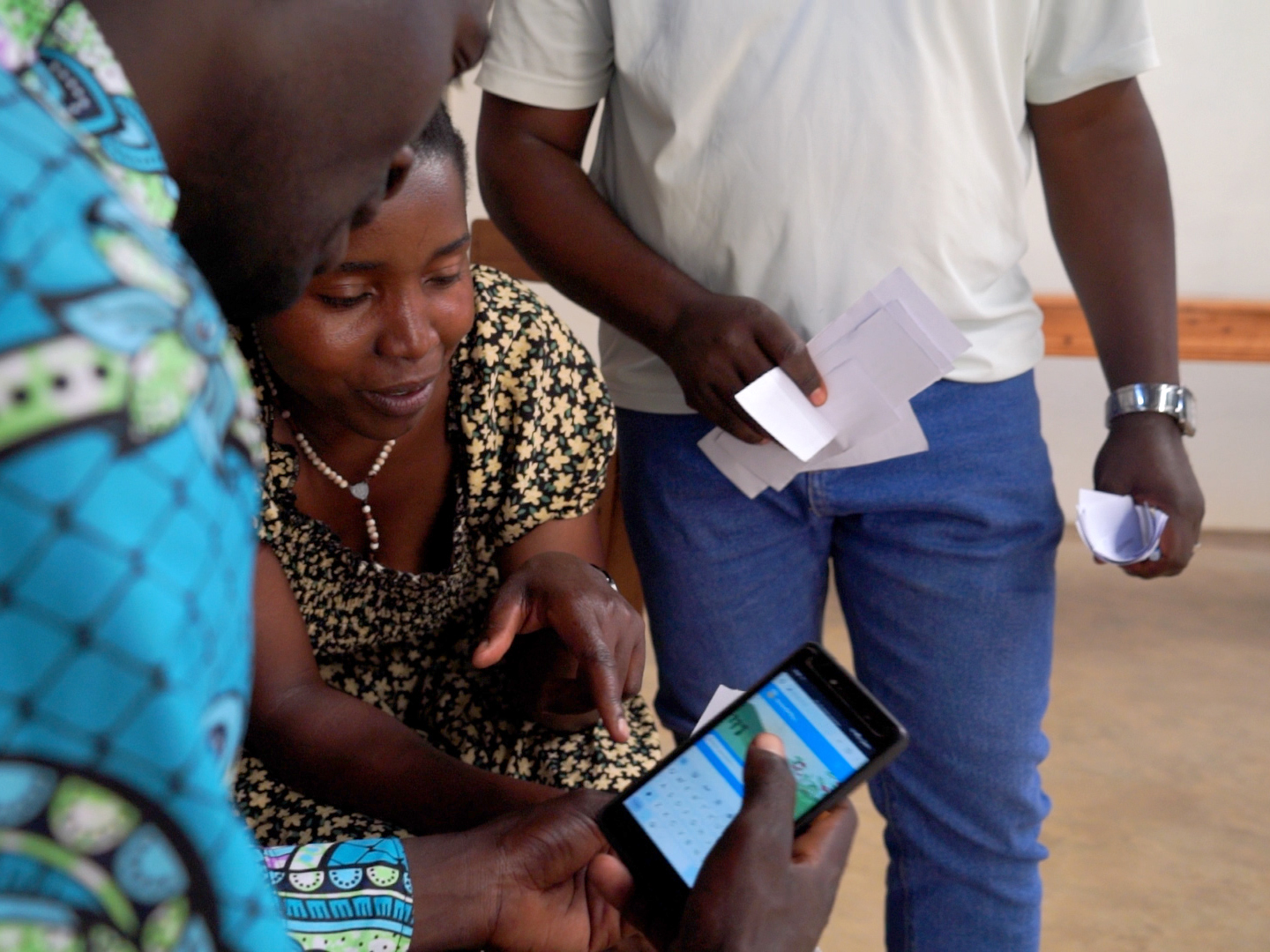
Photo by Abby Johnson / ASU SolarSPELL
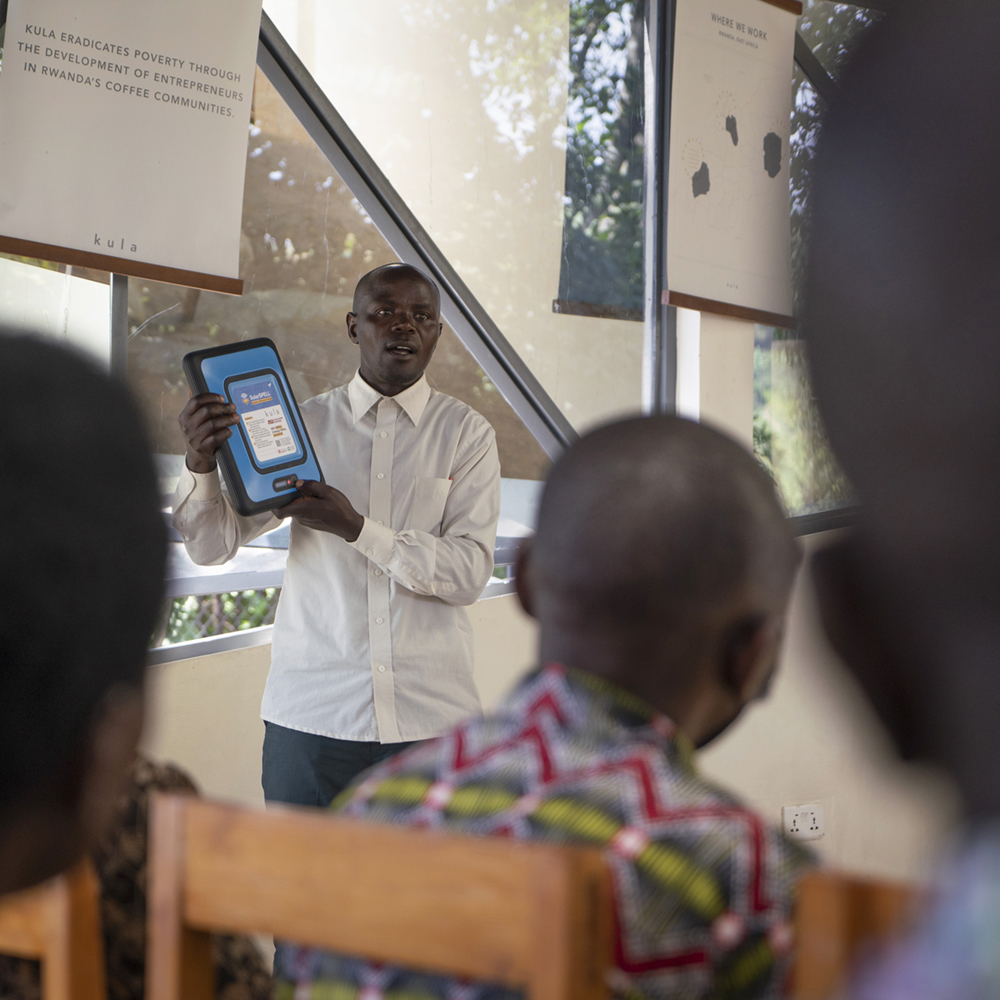
Photo by Abby Johnson / ASU SolarSPELL
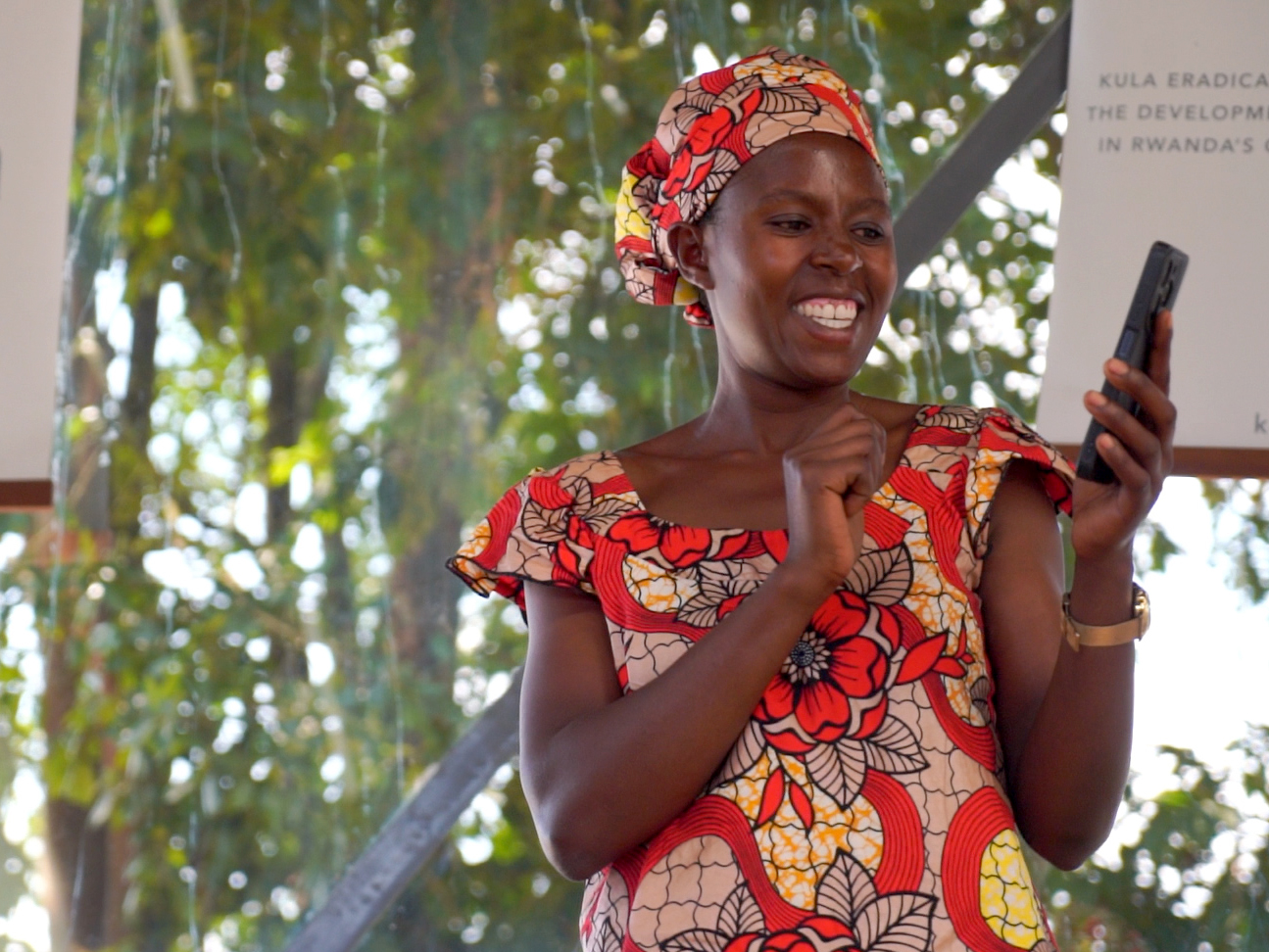
Photo by Abby Johnson / ASU SolarSPELL
The training was highly participatory, with farmers working in pairs to practice asking and answering questions and navigating the library. Seeing the training conducted in Kinyarwanda highlighted how effectively Kula staff had adapted the SolarSPELL training to fit local language and learning styles.
Observing Kula staff successfully train catalyst farmers just two weeks after the initial training demonstrated the effectiveness of SolarSPELL’s train-the-trainer model. The confidence and engagement of both trainers and participants point to a strong foundation for continued use of the SolarSPELL library and for expanding access to agricultural knowledge across the communities Kula serves.
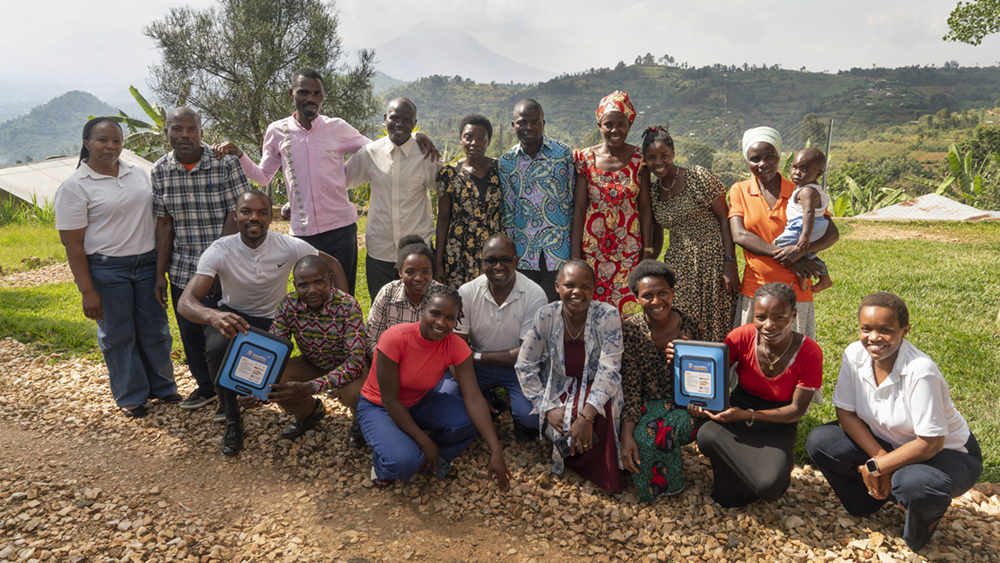
Photo by Abby Johnson / ASU SolarSPELL Initiative
Both the ASU SolarSPELL Initiative and Kula Project are enthusiastic about deepening this collaboration. Future plans include adding more locally relevant resources to the library, including educational videos that Kula plans to produce in Kinyarwanda. The teams also look forward to conducting a joint impact evaluation in the coming months to better understand how farmers, catalysts and field staff are using the libraries and to measure the project’s early outcomes.
The success of these initial trainings demonstrates the strong foundation that has been built, and both teams are excited about the opportunities and impact ahead. This launch marks not an endpoint, but the beginning of a shared effort to expand access to knowledge, strengthen local capacity and support thriving coffee-farming communities across Rwanda.
The ASU SolarSPELL Initiative empowers offline communities globally by providing localized libraries and building the 21st century skills that people need to make informed decisions, increase their self-reliance and improve their quality of life.
This project was made possible by the generosity of SolarSPELL supporters like you. We invite you to be a part of our mission by visiting our ASU Foundation page or contacting [email protected] to learn more. Let’s change the future — together.